Trump threatens new tariffs on Canada over wildfire smoke
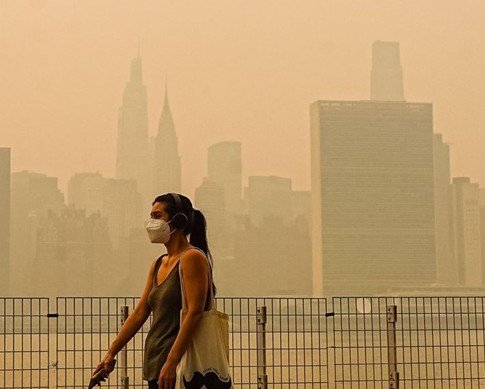
U.S. President Donald Trump has threatened to impose additional tariffs on Canada, accusing the country of failing to properly manage its forests as wildfire smoke continues to blanket large parts of North America.
In a social media post on Friday, Trump blamed Canadian authorities for worsening air quality, calling the smoke “filthy, polluted, and unhealthy air” and describing the situation as “totally unacceptable.”
“We are holding Canada responsible for the fact that they are not properly maintaining their forests and brush,” Trump wrote, adding that he planned to speak with Canadian Prime Minister Mark Carney. He also warned that the costs of the smoke’s impact on the United States would be added to existing tariffs on Canadian exports.
Canada is currently battling 896 active wildfires, with nearly 200 fires burning in Ontario alone. Ontario Premier Doug Ford said 81 of those fires remain out of control as firefighters continue efforts to contain the blazes.
Scientists say the increase in wildfires is being driven by hotter and drier conditions linked to climate change. Trump, however, has repeatedly blamed government mismanagement, reviving his long-standing argument that better forest maintenance could have prevented the fires.
Ontario experienced its largest wildfire of the year in mid-July after several fires merged in Wabakimi Provincial Park, destroying First Nations communities and forcing evacuations in at least 10 areas.
Premier Ford thanked Canadian and American emergency crews for their support, saying, “Neighbours have each other’s backs.”
Trump’s criticism was echoed by several Republican lawmakers, including Michigan Representative Bill Huizenga, who accused Canada of failing to adequately reduce wildfire risks.
The widespread smoke has also raised concerns over air quality ahead of the FIFA World Cup final in New Jersey this weekend.
Meanwhile, the Trump administration has faced criticism for reducing federal funding for wildfire research, including programs that study the health effects of wildfire smoke.