More Than 100 House Democrats Back Bid to End U.S. Military Aid to Israel
A proposal to end U.S. military aid to Israel exposed deep divisions within the Democratic Party in the House of Representatives, even though the measure was ultimately defeated.
The amendment, introduced by Republican Rep. Thomas Massie, sought to eliminate annual U.S. military assistance to Israel. It failed by a vote of 314-104, but more than 100 Democratic lawmakers supported the proposal, highlighting a growing shift within the party over U.S. policy toward Israel.
For decades, support for Israel has enjoyed broad bipartisan backing in Washington. However, the war in Gaza and rising civilian casualties have prompted a growing number of Democratic lawmakers—particularly progressives—to question continued military assistance. They argue that U.S. taxpayer dollars should not support military operations linked to allegations of civilian harm and human rights concerns.
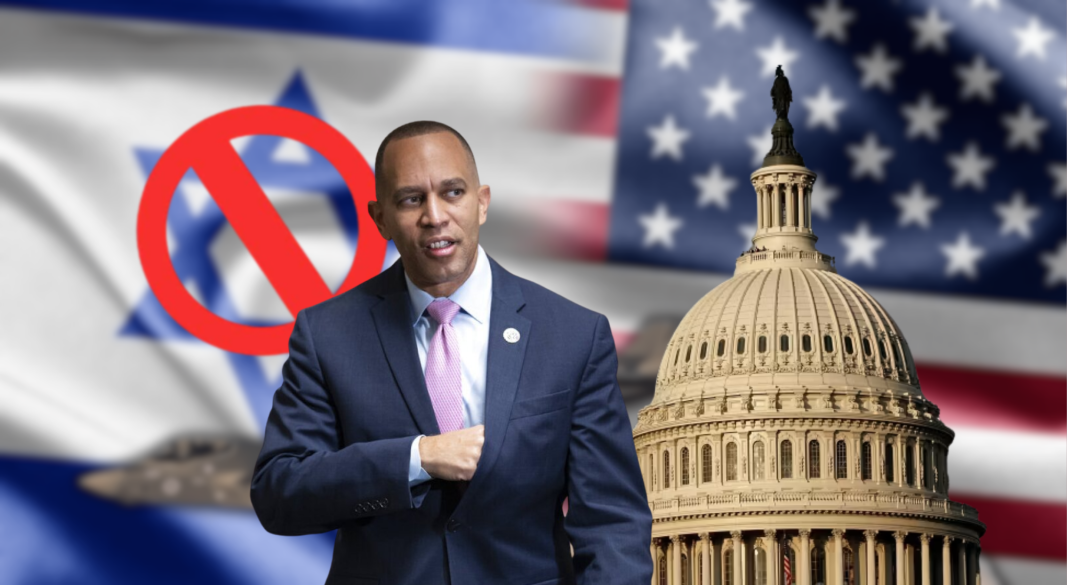
Democratic leaders, however, largely opposed the amendment, maintaining that Israel’s security remains a key U.S. strategic interest. House Democratic Leader Hakeem Jeffries voted against the proposal but has acknowledged the need for continued discussions about U.S. policy in the Middle East.
Political analysts say the vote reflects a broader shift within the Democratic Party rather than a simple debate over foreign aid. The growing divide over Israel policy is expected to remain a significant issue as lawmakers prepare for upcoming elections.
Although the amendment failed, the vote demonstrated that congressional support for U.S. military aid to Israel is no longer as unified as it once was. The outcome underscores increasing debate in Washington over the Gaza conflict, humanitarian concerns, and the future of American foreign assistance.
Supporters of continued aid argue that reducing military assistance could weaken U.S. strategic interests and Israel’s security in the Middle East. Critics, meanwhile, are calling for greater oversight and accountability to ensure that American assistance aligns with humanitarian and international legal standards.