Iraq Moves to Bypass Strait of Hormuz, Signs Over a Dozen Major Deals
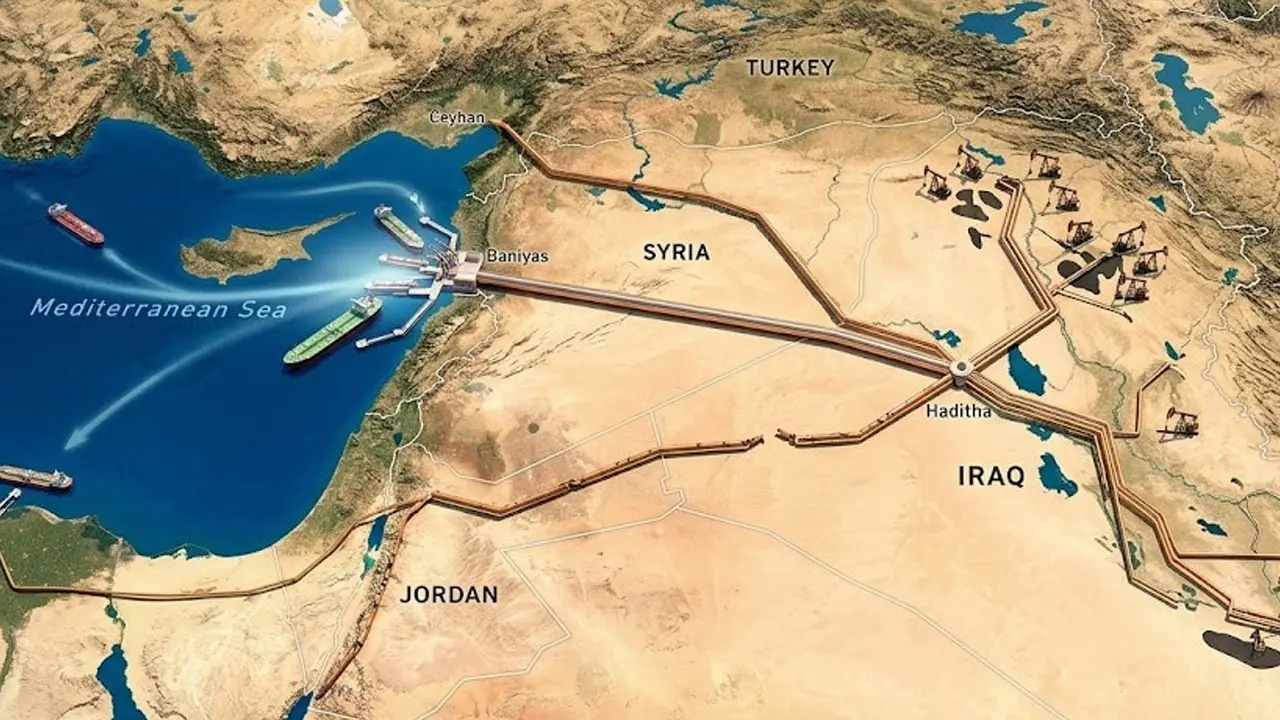
Amid renewed tensions between the United States and Iran that have severely disrupted shipping through the Strait of Hormuz, Iraq is moving to reduce its dependence on the strategic waterway by reviving an alternative oil export route and signing a series of major agreements with international partners.
According to Al Jazeera, Iraq signed multiple agreements with Western energy companies during the U.S.-Iraq Business Summit held in Washington on Friday. The deals are aimed at restoring a key energy corridor that would allow Iraqi crude oil exports to reach international markets without passing through the Strait of Hormuz.
A central agreement involves the reconstruction of the long-idled Iraq-Syria crude oil pipeline, which stretches from Iraq’s oil-rich Kirkuk region to the Mediterranean port of Baniyas in Syria. The Iraqi state news agency reported that U.S. energy giant Chevron will play a leading role in implementing the project.
The U.S. State Department welcomed the initiative, saying an international consortium led by American partners would provide technical and financial support for the pipeline’s rehabilitation.
According to the department, once restored, the pipeline will initially be capable of transporting up to 2 million barrels of crude oil per day, creating a vital energy corridor connecting Iraq’s oil production to Mediterranean export markets and beyond.
U.S. Ambassador to Turkey Tom Barrack said Iraq’s latest pipeline agreements would establish new energy links that could significantly reduce the strategic importance of the Strait of Hormuz for Iraqi exports.
Chevron’s Vice President for Corporate Business Development, Jake Spearing, said the company had also signed two additional agreements with Iraq aimed at increasing the country’s oil production capacity.
Beyond the energy sector, Iraq also signed an agreement with Starlink, the satellite internet service owned by Elon Musk’s SpaceX, to officially begin operations in the country.
Reuters reported that preliminary agreements signed between Iraqi officials and U.S. companies in the energy, healthcare and technology sectors are valued at more than $60 billion.
Speaking at the Washington summit, Iraqi Prime Minister Ali Al-Zaidi said Iraq remains committed to an open investment policy.
“We follow an open policy. Anyone with a viable project is welcome to come and discuss it with us. We will not create obstacles for anyone,” he said.
The agreements come as Iraq seeks to strengthen its economic resilience and secure alternative export routes amid ongoing geopolitical instability in the Gulf region.