One of the Century’s Longest Total Solar Eclipses to Cross Saudi Arabia in 2027
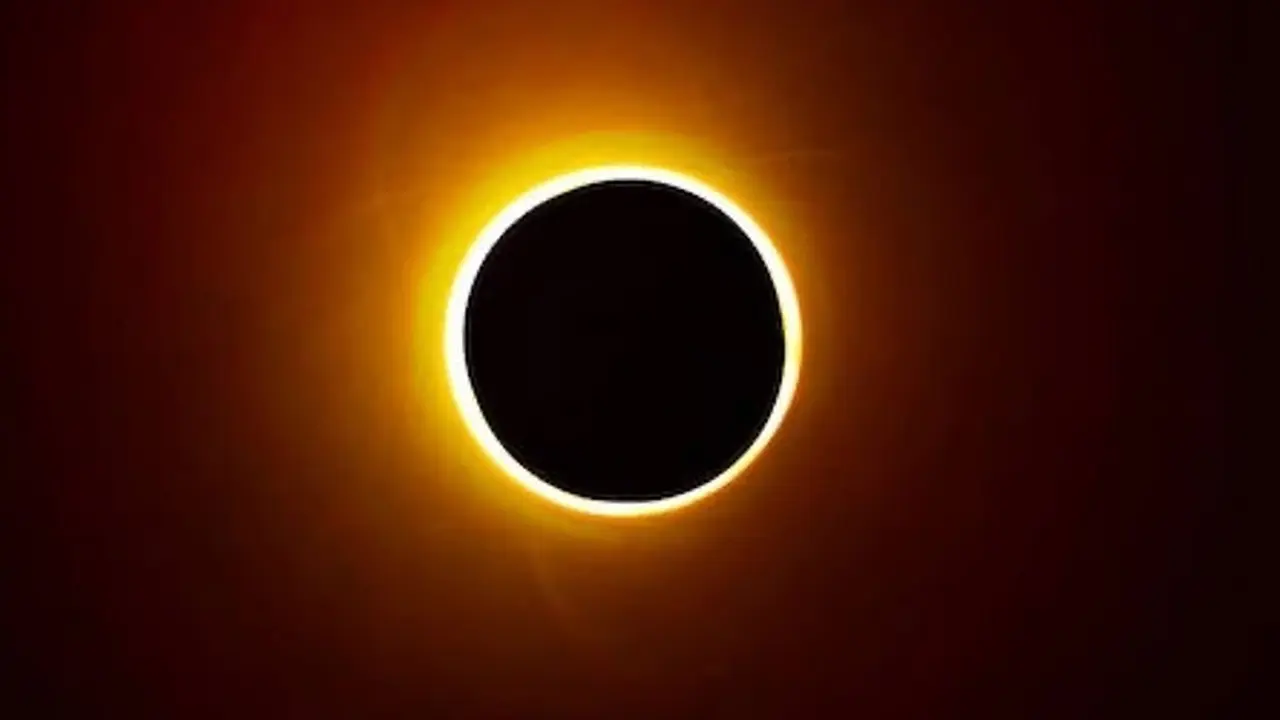
Saudi Arabia is set to witness one of the longest total solar eclipses of the 21st century on Aug. 2, 2027, offering millions of residents and visitors a rare opportunity to observe the astronomical phenomenon.
According to the Saudi Space Agency, parts of western and southern Saudi Arabia will experience total darkness for nearly six minutes, making it one of the longest total solar eclipses of the century. The extended duration is expected to provide scientists and skywatchers with a valuable opportunity to study the Sun’s corona.
Cities including Abha are expected to experience up to six minutes of totality, while Jeddah and parts of the country’s western coast could see darkness lasting about five minutes and 50 seconds.
The agency said the event is expected to make Saudi Arabia one of the world’s premier destinations for eclipse observation and scientific documentation. Neighboring Egypt is projected to experience the longest duration of totality along the eclipse’s path.
Residents in other parts of Saudi Arabia will be able to observe a partial solar eclipse, with as much as 80% of the Sun obscured in some areas. The exact timing and extent of the eclipse will vary by location.
The Saudi Space Agency has urged the public to observe the eclipse safely, warning against looking directly at the Sun without certified eclipse glasses or specialized solar filters.
Majed Abu Zahra, president of the Jeddah Astronomical Society, said the path of totality will begin along the Red Sea coast and pass over Makkah, Jeddah, Taif, Al-Baha, Khamis Mushait, Jazan, Najran, and dozens of other cities and governorates.
During the period of totality, daylight is expected to resemble twilight, and temperatures may drop noticeably before sunlight returns.
The eclipse is expected to attract astronomers, researchers, photographers, and tourists from around the world eager to witness one of the most significant celestial events of the decade.