Dangerous Heat Wave to Grip New York City Through July 4 Weekend
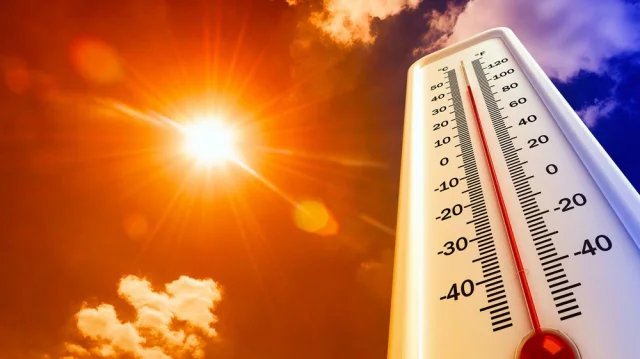
: New York City and the wider Tri-State area are bracing for a prolonged and potentially dangerous heat wave expected to last through the July 4 holiday weekend, prompting authorities to issue an extreme heat warning and air quality advisory.
Forecasters say temperatures will feel between 90 and 100 degrees Fahrenheit (32-38°C), with conditions expected to worsen on Wednesday and Thursday. Officials have warned residents to take precautions as extreme heat remains the deadliest weather-related hazard in the United States.
To help residents cope with the soaring temperatures, New York City is opening hundreds of cooling centers at locations including schools, libraries and the Javits Center. Outdoor swimming pools will also remain open for extended hours.
City authorities are additionally deploying 15 cooling outreach vans staffed by nurses and paramedics to assist vulnerable residents and conduct wellness checks on older adults.
According to the city’s health department, 21 New Yorkers died from heat-related stress in 2025, with 19 of those deaths linked to a major heat wave in June. Officials fear this week’s heat event could be even longer and more intense.
New York City Mayor Zohran Mamdani warned that the extreme temperatures would affect every part of the city and urged residents to remain vigilant.
State Health Commissioner James V. McDonald described the coming days as the most significant heat-related health risk he has seen during his tenure, advising people to stay hydrated, seek air-conditioned spaces and monitor signs of heat exhaustion.
The severe weather has already disrupted holiday events. Organizers postponed the MonmouthNJ 250: The Concert at ParkStage, originally scheduled for July 3, citing public safety concerns amid the expected extreme temperatures.
Officials are encouraging residents to drink plenty of water, avoid prolonged exposure to direct sunlight, limit strenuous outdoor activities and check on elderly relatives, neighbors and others who may be at greater risk during the heat wave.