World’s First AI-Designed Vaccine Could Offer Broad Protection Against Future Pandemics
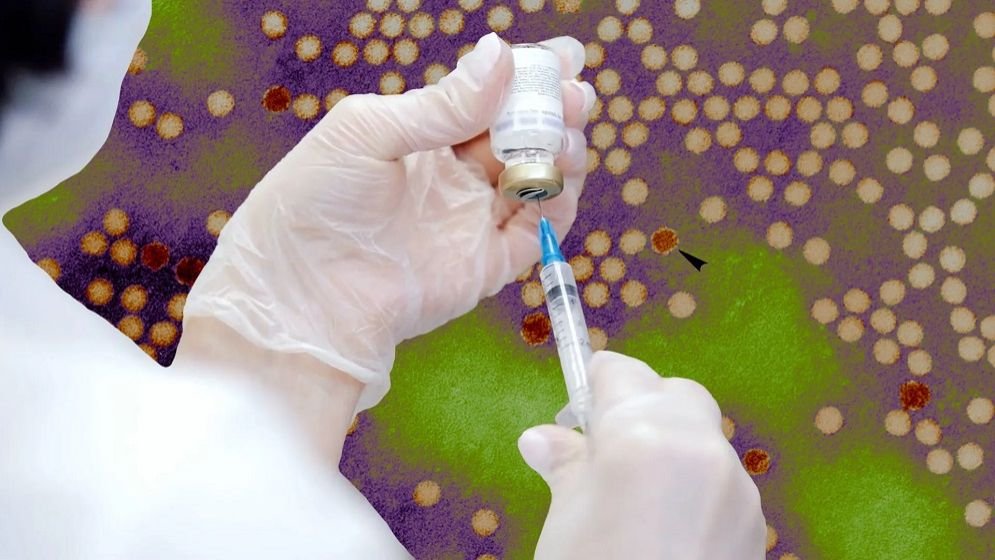
Researchers say artificial intelligence has been used to design a “fundamentally new” type of vaccine that could protect against a wide range of viruses and potentially help prevent future pandemics.
A team at the University of Cambridge says this is the first time a key vaccine component has been entirely designed by AI and then tested in human trials. The experimental vaccine is designed to target all coronaviruses, including current Covid-19 variants as well as related viruses found in animals that could potentially spill over into humans.
Scientists say the work is still in its early stages, but similar approaches are also being explored for flu and Ebola vaccines.
Vaccines typically work by teaching the immune system to recognize specific viruses. However, many viruses mutate rapidly, forcing vaccines to be updated regularly—such as seasonal flu shots and Covid-19 boosters.
Researchers say the AI system analyzed genetic data from multiple coronaviruses collected through surveillance programs and designed a “super-antigen” capable of training the immune system to respond more broadly, even to mutated or newly emerging strains.
“This is a fundamental shift in how we prepare for pandemics,” said Professor Jonathan Heeney of the University of Cambridge, noting that the goal is to stay ahead of future outbreaks rather than reacting to them.
The first human trial involved 39 participants to test safety, while a second trial involving around 200 people will evaluate how effectively the vaccine stimulates the immune system. Early findings published in the Journal of Infection showed a modest immune response, though researchers remain optimistic about the technology’s potential.
Professor Saul Faust of the University of Southampton, who helped conduct the trials, described the approach as “really exciting,” saying AI could significantly improve vaccine design for rapidly evolving viruses.
The Cambridge team is also developing AI-designed vaccines for seasonal flu, bird flu (H5N1), and viral haemorrhagic fevers such as Ebola, some of which currently lack widely available vaccines.
Experts say the real test will be how the approach performs in larger human trials, as human immune systems are more complex than those of laboratory animals.
Professor Andy Pollard of the Oxford Vaccine Group said the results are promising and suggest AI could become a “game changer” in vaccine development by speeding up research and improving predictive accuracy.
UK Science Minister Lord Vallance called the development a “British science success story,” saying it demonstrates how combining artificial intelligence with biomedical research could accelerate the creation of life-saving treatments globally.