U.S. Visa Bond Program: What It Is, Why It Matters, and Who Will Be Affected Most
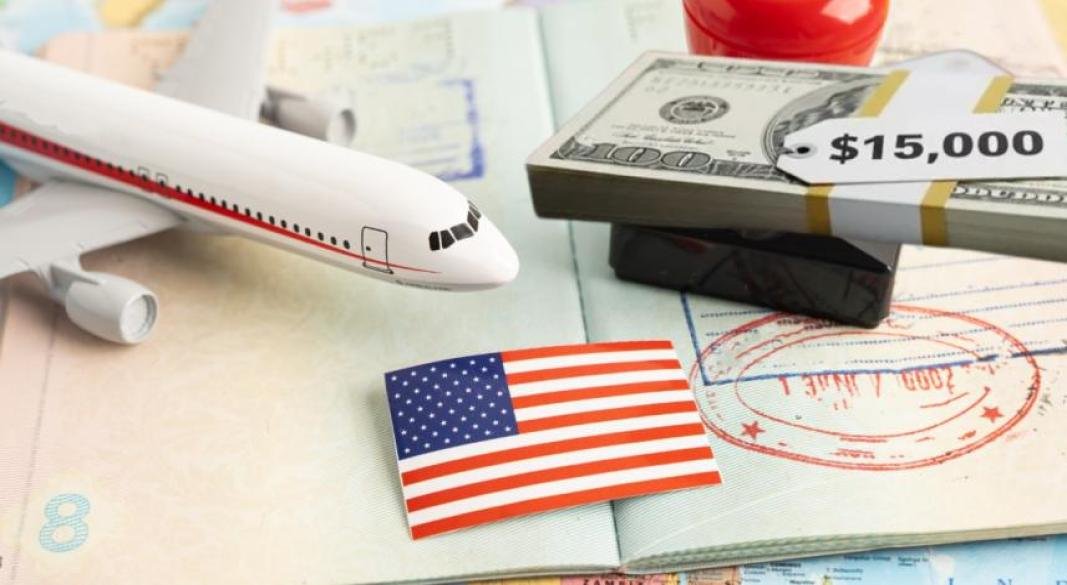
Bangladeshis planning short-term travel to the United States may soon face a new financial requirement under a proposed U.S. visa bond program. The initiative could require travelers from Bangladesh and 37 other countries to deposit up to $15,000 as a refundable financial guarantee when applying for certain non-immigrant visas.
The program, introduced by the U.S. Department of State, is aimed at reducing visa overstays by ensuring that visitors leave the country before their authorized stay expires.
What Is a Visa Bond?
A visa bond is a refundable financial deposit that may be required before a temporary visa is issued. The measure is intended to encourage compliance with U.S. immigration laws and visa conditions.
Under the proposal, applicants for B-1 (business) and B-2 (tourist) visas from designated countries could be asked to post a bond ranging from $5,000 to $15,000, depending on their individual circumstances.
Consular officers would determine the bond amount based on factors such as the applicant’s travel purpose, employment status, income, educational background, skills, and personal situation.
How Would the Program Work?
Applicants required to pay a bond would need to complete the necessary documentation through the U.S. government’s online payment system and immigration forms. If the visa holder complies with all visa conditions and departs the United States within the authorized period, the full bond amount would be refunded.
However, failure to leave on time or violations of visa conditions could result in the loss of the deposited funds.
Why Is the U.S. Introducing This Policy?
According to U.S. authorities, the policy targets countries with relatively high rates of visa overstays. Officials believe the bond requirement could discourage visitors from remaining in the country illegally after their visas expire and help strengthen compliance with immigration regulations.
The proposal is widely viewed as part of broader efforts to tighten immigration enforcement and reduce unauthorized stays in the United States.
Countries Expected to Be Affected
The proposed program includes 38 countries, among them Bangladesh, Bhutan, and Nepal in South Asia. Several countries in Africa and Latin America are also included.
Citizens of countries participating in the U.S. Visa Waiver Program, as well as travelers from Canada and Mexico, would not be subject to the requirement.
Impact on Bangladeshi Travelers
For many Bangladeshis, the financial burden could be significant. A bond of $15,000 is equivalent to more than 1.8 million Bangladeshi taka, placing additional pressure on tourists and business travelers seeking short-term entry into the United States.
Despite the high amount, supporters of the policy note that the money would be refundable for travelers who follow all visa rules and leave the country within the permitted timeframe.
Not a New Idea
The concept of visa bonds is not new. Similar approaches have been considered or implemented in other countries to address visa overstays. The United States also explored a visa bond program in 2020, though it was never fully implemented due to the global disruption caused by the COVID-19 pandemic.
If enacted, the new visa bond requirement could represent one of the most significant changes to U.S. visitor visa procedures for Bangladeshi travelers in recent years.