Jamil Limon and Nahida Bristi Murder Case: Accused Denies Charges as Death Penalty Sought
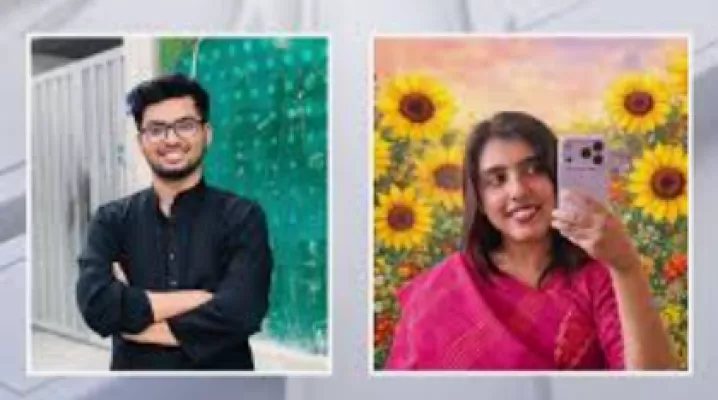
In a major development in the case involving the murders of two Bangladeshi PhD students, Jamil Limon and Nahida Bristi, prosecutors in Hillsborough County, Florida have confirmed that they will seek the death penalty against the accused, Hisam Abugharbiya.
During a court hearing on May 18, State Attorney Suzie Lopez formally announced the prosecution’s intention to pursue capital punishment. The accused, who did not appear in person, submitted a written plea through his legal counsel denying all charges brought by a grand jury.
The court has scheduled the trial to begin on November 3, 2027, while a case review hearing will take place on December 10, 2026. The defendant remains in custody at the Hillsborough County Jail without bail.
Investigation and Allegations
According to prosecutors and investigators, the case stems from a premeditated killing that authorities have described in strong terms. Hillsborough County Sheriff Chad Chronister reportedly characterized the crime as “pure evil,” stating that the evidence suggests the attack was planned at least ten days in advance.
Investigators allege that the accused made a series of online purchases prior to the incident, including duct tape, fire starters, charcoal, heavy-duty trash bags, and lighter fluid. These purchases, they say, formed part of a preparation pattern.
Authorities also claim that the suspect conducted online searches and chatbot queries related to concealing evidence and violent methods, which are now part of the broader investigation.
In addition, reports indicate that a fake beard was delivered to the accused shortly before the incident, which investigators believe may have been intended for disguise.
Timeline of Events
Prosecutors say the victims were last seen alive on April 16 inside an apartment in Avalon Heights. Surveillance footage later showed both individuals separately on campus earlier that day. Investigators believe the killings occurred that night inside the shared residence.
Following the alleged crime, surveillance and digital records reportedly show multiple movements by the accused, including orders placed through delivery apps for cleaning supplies and other household items. These materials, investigators suggest, may have been used in an attempt to clean the scene and conceal evidence.
Authorities later recovered personal belongings of the victims, including identification cards, clothing items, and electronic devices, from a trash compactor linked to the residence. A search of the apartment also revealed traces of blood in multiple areas.
Discovery of Bodies and Arrest
On April 24, remains believed to be those of Jamil Limon were discovered near a bridge in the area after being wrapped in heavy trash bags. The following week, on May 1, the body of Nahida Bristi was recovered from a waterway after being found caught in fishing equipment.
The accused was arrested shortly after law enforcement responded to a family-related emergency call involving his residence. He has remained in custody since the arrest.
Charges and Legal Proceedings
A grand jury has indicted the defendant on multiple counts, including two counts of first-degree premeditated murder, unlawful disposal of human remains, obstruction of justice, and destruction of evidence.
Prosecutors have stated that they will pursue the death penalty, citing the severity and premeditated nature of the crime. Meanwhile, the victims’ families in Bangladesh are being regularly briefed on the progress of the case through virtual communication with authorities.
Victims Remembered
Jamil Limon and Nahida Bristi, both 27-year-old Bangladeshi researchers pursuing PhDs in the United States, were described as highly promising scholars in their respective fields. Their deaths have deeply affected academic and expatriate communities.
Their bodies were repatriated to Bangladesh and buried in their hometowns, while their families continue to await justice as the legal process moves forward in the United States.