U.S. School Official Sues After AI Voice Deepfake Scandal
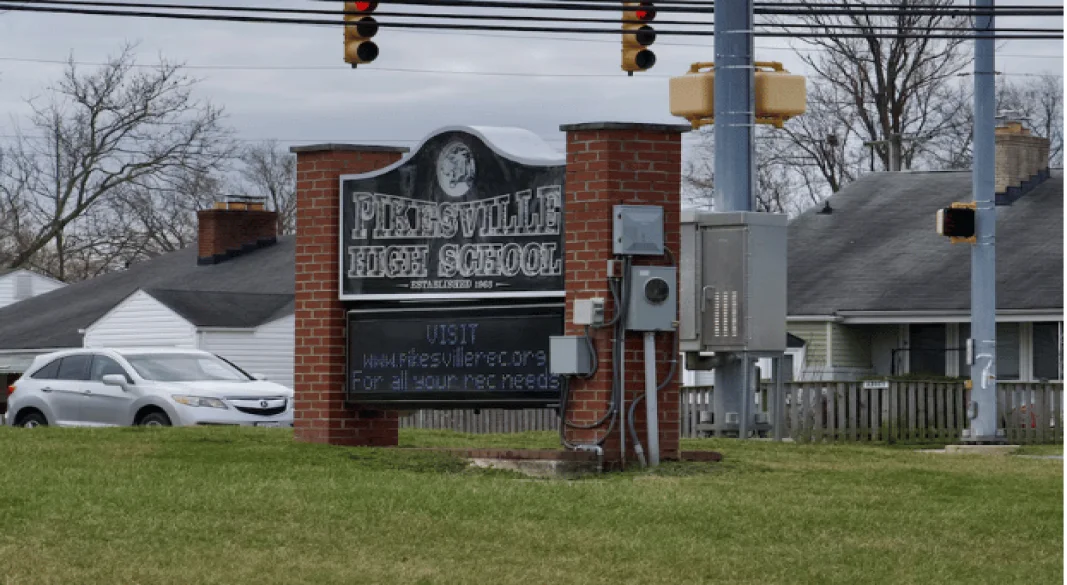
A former assistant principal at Pikesville High School in the U.S. state of Maryland has become the center of a legal battle after being falsely implicated in a racist and offensive AI-generated “deepfake” audio recording.
Catherine Albert, the former assistant principal, has filed a lawsuit seeking to restore her reputation after her name was linked to a manipulated audio clip created using artificial intelligence technology. She has also taken legal action against a former athletic director at the school, as well as the Baltimore County Public Schools system, for allegedly failing to take appropriate action.
According to court documents, the alleged creator of the deepfake was the school’s former athletic director, Dazhon Darien, who reportedly generated the audio out of personal retaliation. The manipulated recording allegedly mimicked the voice of then-principal Eric Eiswert and included highly offensive racist and antisemitic statements. The clip also falsely implicated Albert in a fabricated conversation.
The audio spread widely on social media, causing public outrage and serious disruption within the school community. Both the principal and assistant principal reportedly faced intense scrutiny and reputational damage following the incident.
Albert’s lawsuit claims that even after evidence emerged proving the audio was artificially generated, school authorities failed to correct official records or publicly clarify the situation, further harming her professional standing and career.
Investigators stated that the deepfake audio contained derogatory remarks about African American students and questioned the academic abilities of minority students, which contributed to heightened tensions within the school environment.
The case had already led to legal consequences. In April 2025, a court sentenced Darien to four months in prison after forensic investigations confirmed his involvement. He entered an “Alford plea,” meaning he did not admit guilt but acknowledged that sufficient evidence existed for conviction.
The incident has since become a widely cited example in the United States of how artificial intelligence misuse can severely damage reputations and disrupt educational institutions.