Challenges in Securing Shipping Through the Strait of Hormuz
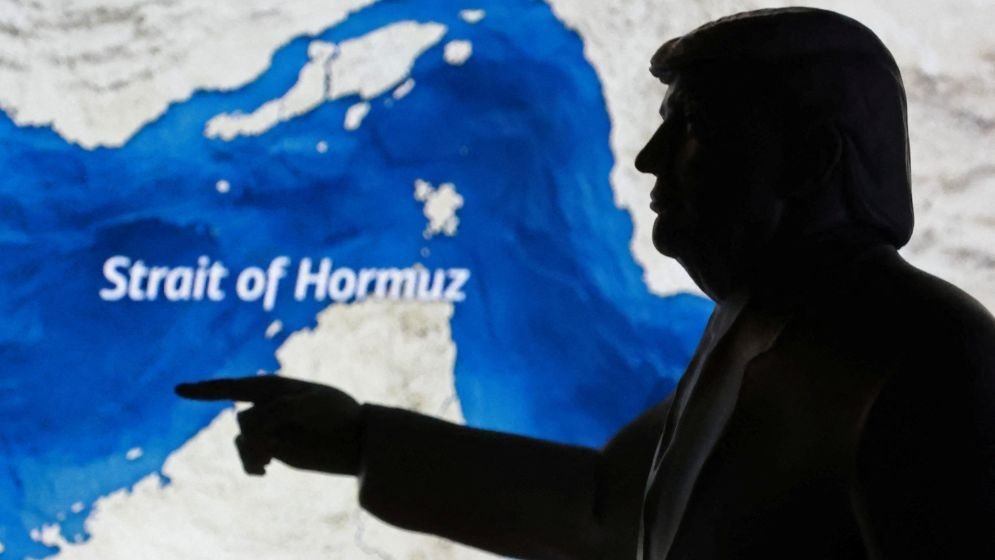
Securing maritime traffic through the Strait of Hormuz remains highly complex due to a combination of geopolitical tensions, geographic constraints, and asymmetric military threats in the region.
One of the primary challenges is the narrowness of the waterway. The strait is only a few nautical miles wide at key transit points, forcing vessels to pass through confined shipping lanes close to the coastlines of Iran and Oman. This limited space makes ships vulnerable to attacks and leaves little room for maneuvering or evasive action.
Geographically, the proximity to Iran’s coastline adds another layer of risk. The coastal terrain, including mountainous areas and nearby islands, can provide concealment for military operations, surveillance, and surprise attacks. This makes it difficult for naval forces to monitor and secure all potential threat vectors effectively.
Security concerns are further heightened by the presence of the Islamic Revolutionary Guard Corps (IRGC), which has demonstrated the capability to deploy a range of asymmetric tactics. These include fast attack boats, drones, naval mines, and other unconventional weapons that can target commercial vessels with relatively low detection.
Another major challenge is the heightened risk perception among shipping companies and insurers. Insurance premiums have reportedly surged significantly due to the threat environment, prompting some vessels to avoid the route altogether. This economic factor complicates efforts to maintain consistent commercial traffic through the strait.
Escorting and protecting ships also requires substantial naval resources. While international actors such as the United States and European countries have discussed or initiated protective measures, maintaining continuous escort operations for large volumes of daily shipping would require sustained coordination, advanced naval assets, and air cover over extended periods.
Additionally, regional geopolitical tensions—particularly involving Iran and its adversaries—contribute to unpredictability. Threats of closure or military escalation can disrupt shipping schedules, create uncertainty in global energy markets, and deter commercial operators.
Although alternative routes such as pipelines exist in countries like the United Arab Emirates and Saudi Arabia, these are limited in capacity, not always fully operational, and can themselves be vulnerable to attacks. As a result, there is no fully reliable substitute for the Strait of Hormuz for global oil and gas transit.
Together, these factors make securing shipping through the Strait of Hormuz a persistent strategic challenge with significant implications for global trade and energy security.