Trump Rejects Iran Peace Terms as Tehran Warns of Renewed Attacks
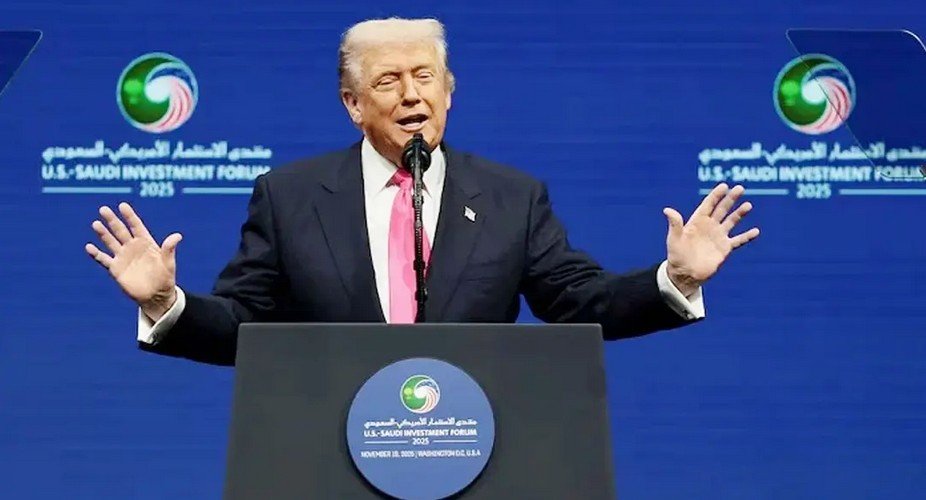
US President Donald Trump has rejected Iran’s latest peace response, calling Tehran’s terms for ending the Middle East conflict “totally unacceptable,” increasing fears of renewed military escalation in the region.
In a post on his social platform Truth Social on Sunday, Trump said he had reviewed Iran’s response to Washington’s latest proposal and firmly dismissed it.
“I have just read the response from Iran’s so-called ‘Representatives.’ I don’t like it — TOTALLY UNACCEPTABLE!” he wrote.
The exchange followed Iran’s warning that it would retaliate strongly against any new US attacks and would not permit additional foreign naval deployments in the Strait of Hormuz.
Iran Maintains Defiant Position
Iranian President Masoud Pezeshkian said Tehran would not surrender under pressure despite ongoing diplomatic efforts.
“We will never bow down to the enemy, and if there is talk of dialogue or negotiation, it does not mean surrender or retreat,” Pezeshkian wrote on X.
According to Iranian state broadcaster IRIB, Tehran’s response—reportedly delivered through Pakistani mediators—focused on ending the conflict “on all fronts,” especially in Lebanon, where clashes involving Israel and the Iran-backed Hezbollah continue.
Reports indicated the US proposal centered on extending the Gulf ceasefire and opening broader negotiations over Iran’s nuclear program and regional security.
Netanyahu Demands Removal of Enriched Uranium
Israeli Prime Minister Benjamin Netanyahu said the war could not end unless Iran’s enriched uranium stockpile was removed and its nuclear infrastructure dismantled.
“It’s not over, because there’s still nuclear material — enriched uranium — that has to be taken out of Iran,” Netanyahu said during an interview with CBS’s “60 Minutes.”
He added that Trump shared the same position regarding Iran’s uranium reserves.
Meanwhile, reports from The Wall Street Journal suggested Iran proposed diluting part of its highly enriched uranium and transferring the remainder to a third country, while demanding guarantees that the material would be returned if negotiations collapse or the US withdraws from any future agreement.
Rising Tensions in the Strait of Hormuz
The situation has intensified around the Strait of Hormuz, a critical global oil shipping route. Iran earlier imposed restrictions in the area, causing sharp rises in global oil prices.
Britain and France are reportedly discussing an international maritime security coalition to safeguard shipping routes after a potential peace agreement. More than 40 countries are expected to participate in defense discussions hosted by the British government this week.
However, Iranian Deputy Foreign Minister Kazem Gharibabadi warned that any foreign deployment in the strait would face “a decisive and immediate response.”
French President Emmanuel Macron later clarified that France had not planned a military deployment in Hormuz but was considering a security coordination mission involving Iran.
Drone Incidents Raise Ceasefire Concerns
Fresh drone-related incidents further heightened tensions on Sunday.
The United Arab Emirates said its air defense systems intercepted two drones allegedly launched from Iran, while Kuwait reported hostile drones entering its airspace.
Qatar also confirmed that a cargo vessel arriving from Abu Dhabi had been struck by a drone near its coast.
Iran’s Fars news agency later claimed the targeted bulk carrier was sailing under a US flag.
Separately, Iranian parliamentary National Security Commission spokesperson Ebrahim Rezaei warned Washington that Tehran’s “restraint is over.”
“Any attack on our vessels will trigger a strong and decisive Iranian response against American ships and bases,” he said.