Analyst Says UN Humanitarian Narrative Fails to Reflect Reality of Israeli Occupation in Gaza
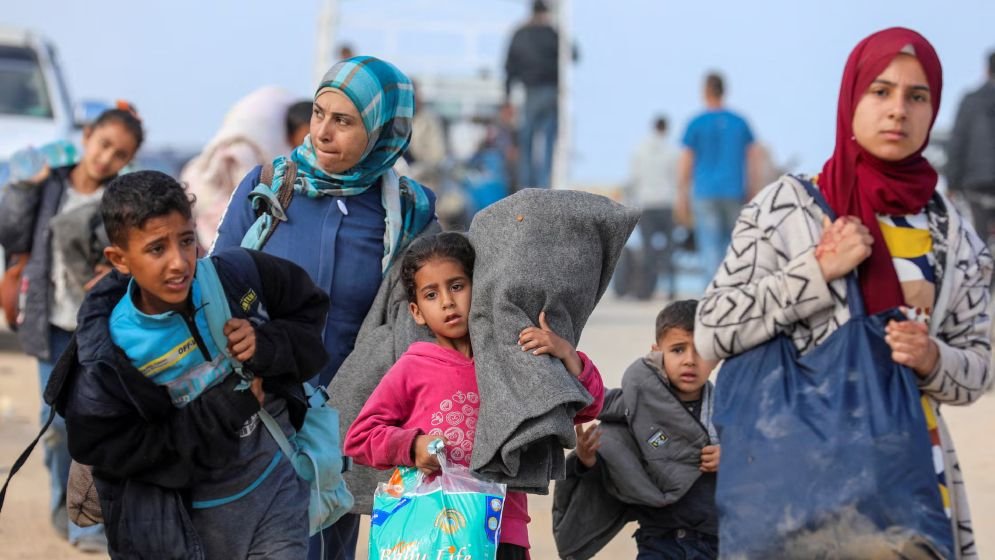
An international political analyst has argued that the United Nations’ humanitarian narrative on Gaza does not fully reflect the realities faced by Palestinians, saying it overlooks the broader context of Israeli territorial expansion and long-term occupation.
In a recent analysis, the commentator said the humanitarian focus on civilian suffering and aid delivery fails to adequately address what is described as Israel’s ongoing expansion of military control and settlement policies in the occupied Palestinian territories.
The analysis highlighted Israel’s reported “Yellow Line” and “Orange Line” zones in Gaza, arguing that these military-designated areas have received limited international attention despite their significance in the ongoing conflict and territorial changes.
According to the analysis, the shrinking of safe areas for civilians in Gaza should be viewed not only as a consequence of the current conflict but also as part of a longer pattern of displacement and territorial control.
The report also criticized UN statements for presenting humanitarian concerns—including displacement, aid restrictions, and civilian protection—without sufficiently addressing the political and historical factors behind the crisis.
The analyst further argued that while international organizations frequently cite violations of international law, they often stop short of identifying Israeli occupation policies as a central cause of the humanitarian situation.
The commentary concluded that separating the humanitarian crisis from its broader political context limits international accountability and leaves the underlying causes of the conflict insufficiently addressed.
The analysis reflects the author’s views and interpretations of the conflict. The United Nations and other international bodies have not formally endorsed those conclusions.