US Launches New Strikes on Iran, Reimposes Oil Sanctions After Shipping Attacks
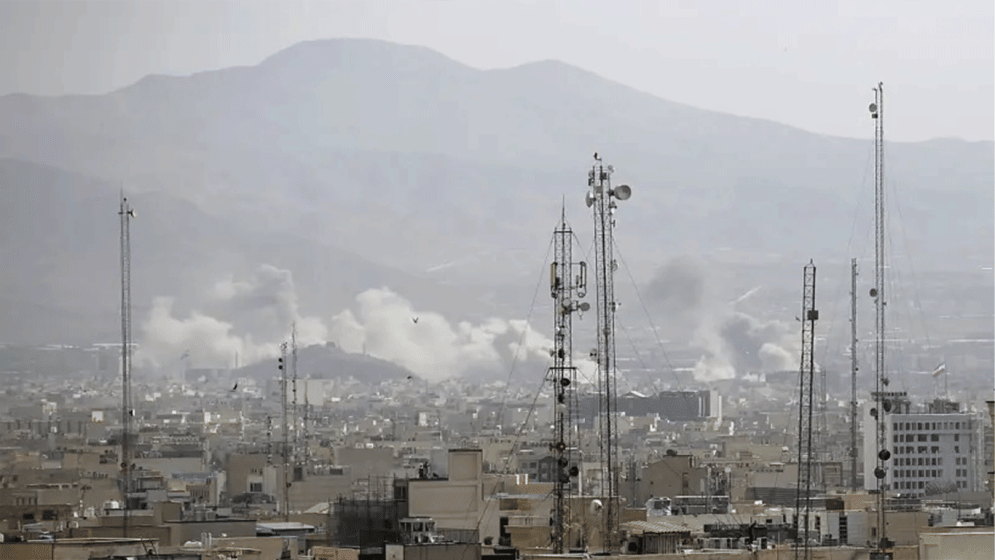
The United States launched a new wave of military strikes against Iran and revoked a key license allowing Iranian oil exports following attacks on commercial vessels in the Strait of Hormuz, escalating tensions and placing a fragile ceasefire under renewed pressure.
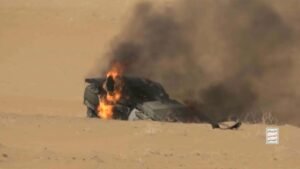
The U.S. Central Command (CENTCOM) said the strikes were carried out in response to what it described as Iran’s violation of the ceasefire agreement. The military said the operation was intended to impose significant costs on Tehran following what it called “unwarranted and dangerous aggression.”
Iranian state media reported explosions in the southern port city of Sirik, Qeshm Island, and Bandar Abbas early Wednesday, although officials did not immediately provide details on casualties or damage.
At the same time, Washington revoked a temporary license that had allowed Iran to sell crude oil and petroleum products on international markets, requiring all related transactions to be phased out by July 17. The move prompted global oil prices to rise by more than 3 percent.
Iran condemned the decision, calling it a violation of the framework established under the ceasefire agreement. The Foreign Ministry said Tehran would take all necessary measures to protect its national interests and security.
The latest escalation follows reports of attacks on three commercial vessels in the Strait of Hormuz. Qatar accused Iran of targeting one of its liquefied natural gas tankers with a drone, while maritime security sources reported damage to a Saudi-flagged oil tanker off the coast of Oman. Iran denied responsibility for the incidents.
The renewed military action comes as U.S. and Iranian negotiators continue efforts to reach a permanent peace agreement following the ceasefire reached last month. However, recent developments have increased uncertainty over the future of the negotiations.
Meanwhile, hundreds of thousands of mourners gathered in the Iranian city of Qom for funeral ceremonies honoring Supreme Leader Ayatollah Ali Khamenei, who was killed during the conflict earlier this year. Public demonstrations included anti-U.S. slogans and renewed calls for retaliation.
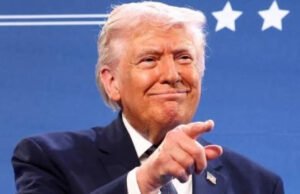
U.S. President Donald Trump has warned that military operations could intensify if negotiations fail, while Iranian officials have insisted that meaningful talks cannot proceed under continued military threats and economic pressure.