Tens of Millions of Americans May Qualify for IRS Refunds Linked to COVID-Era Tax Penalties
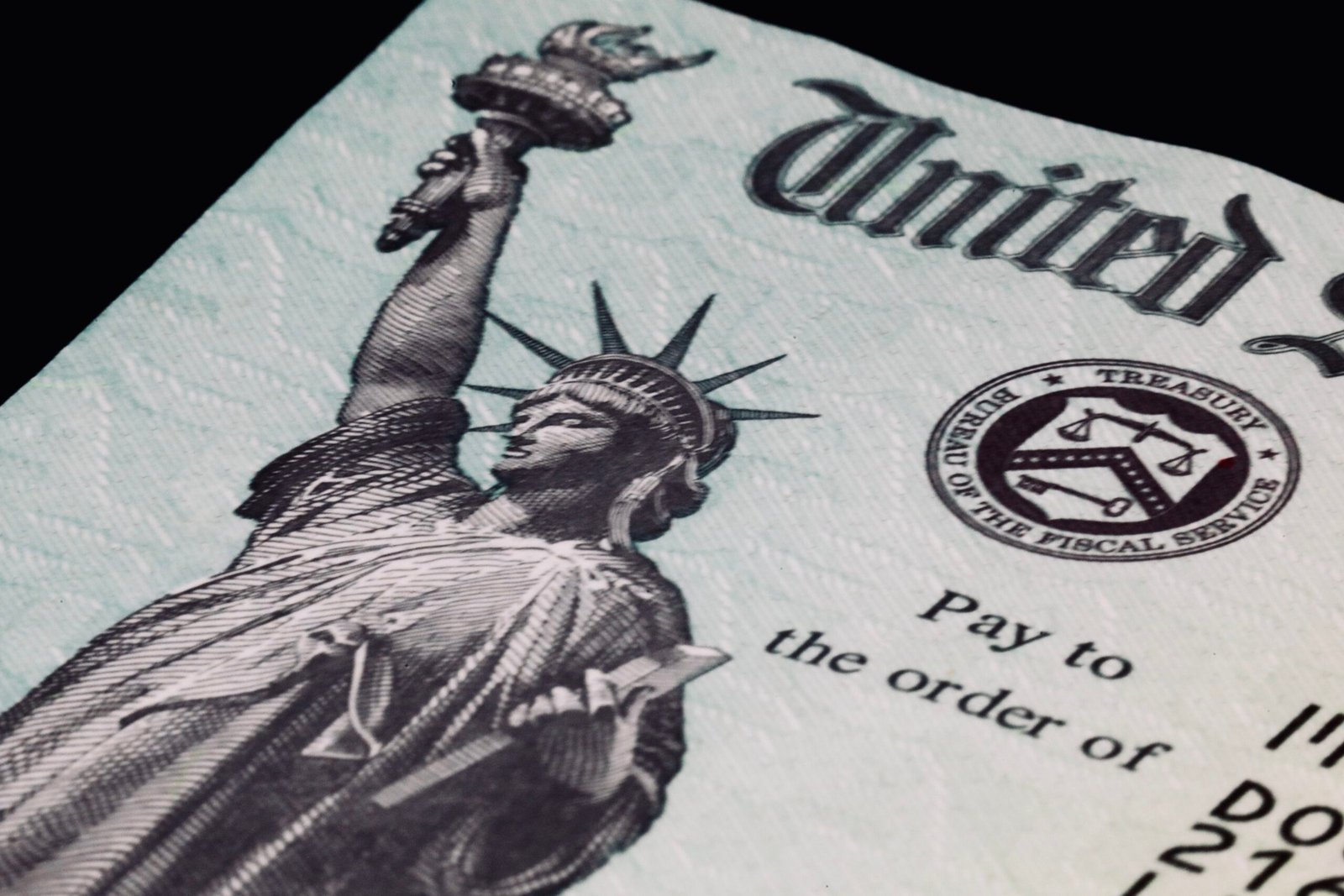
Tens of millions of American taxpayers could be eligible for refunds or reduced penalties and interest tied to tax filings made during the COVID-19 emergency period, according to a notice issued by the National Taxpayer Advocate.
The advisory follows recent court rulings, including the case known as Kwong, which determined that federal tax filing and payment deadlines were effectively postponed throughout the national COVID-19 disaster declaration period from January 20, 2020, to May 11, 2023.
As a result, penalties and interest imposed by the Internal Revenue Service (IRS) during that period may have been assessed improperly, the taxpayer advocate said.
The office warned, however, that the relief is not automatic. Taxpayers seeking refunds or abatements must submit claims by July 10, 2026, unless the IRS or Congress extends the deadline.
According to the notice, eligible taxpayers may qualify for refunds or reductions involving:
- Penalties for failing to file tax returns on time;
- Penalties for failing to pay taxes or estimated tax payments;
- Interest charges that may have started accruing too early; and
- Overpayment interest related to the 2020–2023 disaster period.
The National Taxpayer Advocate noted that many taxpayers and even tax professionals did not anticipate that filing and payment deadlines would remain postponed for such a long period during the pandemic emergency declaration.
The office also cautioned that claims currently must be submitted through paper filings using IRS Form 843. Taxpayers were advised to send documents by certified mail to ensure proof of timely submission.
In its recommendations, the taxpayer advocate urged the IRS to publicize the issue more broadly, consider granting a six-month extension for filing refund claims, establish an electronic submission system, and potentially provide automatic relief without requiring individual claims.
The notice also encouraged tax professionals, lawmakers, and media organizations to raise awareness so affected taxpayers do not miss the approaching deadline.