Bangladesh Moves to Expand Skilled Workforce Export to Japan Under SSW Program
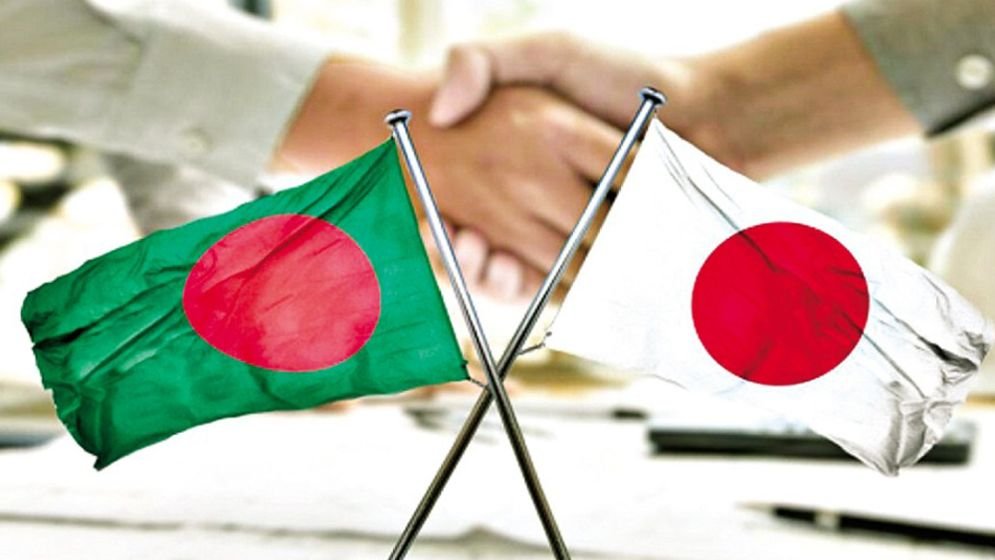
The government of Bangladesh has intensified efforts to send a large number of skilled workers to Japan under the Specified Skilled Worker (SSW) program, as Japan continues to face a growing shortage of labor across multiple sectors.
According to official projections, the Japanese government aims to recruit around 8.2 lakh foreign workers across 16 sectors under the SSW category by March 2029. Experts believe Bangladesh could potentially supply up to 40 percent of this demand, if proper training and preparation are ensured.
Expanding Opportunity in the Japanese Labor Market
Officials note that Bangladesh previously had access to only six employment categories under the SSW system. However, ongoing government initiatives are now focused on preparing workers for all 16 eligible sectors, significantly expanding opportunities for overseas employment.
Professor Dr. Md. Jahangir Alam, Chairman of the Japanese Studies Department at Dhaka University, described Japan as a highly attractive destination for Bangladeshi workers due to its economic stability and demand for foreign labor. He emphasized that skill development and language proficiency are key to maximizing this opportunity.
Long-Term Labor Demand in Japan
Citing reports, officials note that Japan may require up to 1.2 million foreign workers under combined employment schemes by 2029, with projections suggesting demand could reach as high as 1.1 crore by 2040 due to demographic challenges and workforce shortages.
Government Preparations in Bangladesh
To meet this demand, Bangladesh has launched several initiatives, including:
- Expansion of Japanese language training programs
- Upgrading Technical Training Centers (TTCs) under the Bureau of Manpower, Employment and Training (BMET)
- Collaboration with Japanese institutions for skill certification
- Establishment of special training zones
- Recruitment expansion through 95 approved agencies
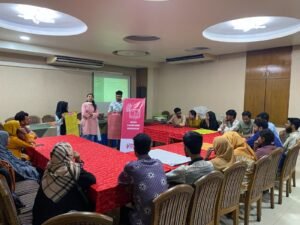
Currently, Japanese language training is available in 53 TTCs, with hybrid online training in 15 centers and more than 200 private institutes operating nationwide.
A dedicated “Japan Cell” has also been created within the Ministry of Expatriates’ Welfare and Overseas Employment to streamline coordination and expand job placement opportunities.
Education and Student Migration
The government is also encouraging student migration to Japan. Around 4,000 Bangladeshi students went to Japan in 2025, with a target of 10,000 set for 2026. Financial support of up to 10 lakh taka per student is being offered through Probashi Kallyan Bank, along with flexible working rights allowing students to work part-time during study.
Strengthening Bilateral Labor Cooperation
Officials say Bangladesh is taking structured steps to compete with countries like Vietnam, Nepal, and Indonesia in Japan’s labor market. These include policy reforms, easier recruitment processes, improved training quality, and strengthened embassy support in Tokyo.
Deputy Secretary Md. Hedayetul Islam Mondol said the initiative is helping position Japan as a major destination for Bangladeshi workers, offering higher income opportunities and improved living standards.
With these measures, Bangladesh aims to establish itself as a key supplier of skilled manpower to Japan’s rapidly evolving labor market.