USCIS Introduces Stricter Photo Policy for Immigration Applications
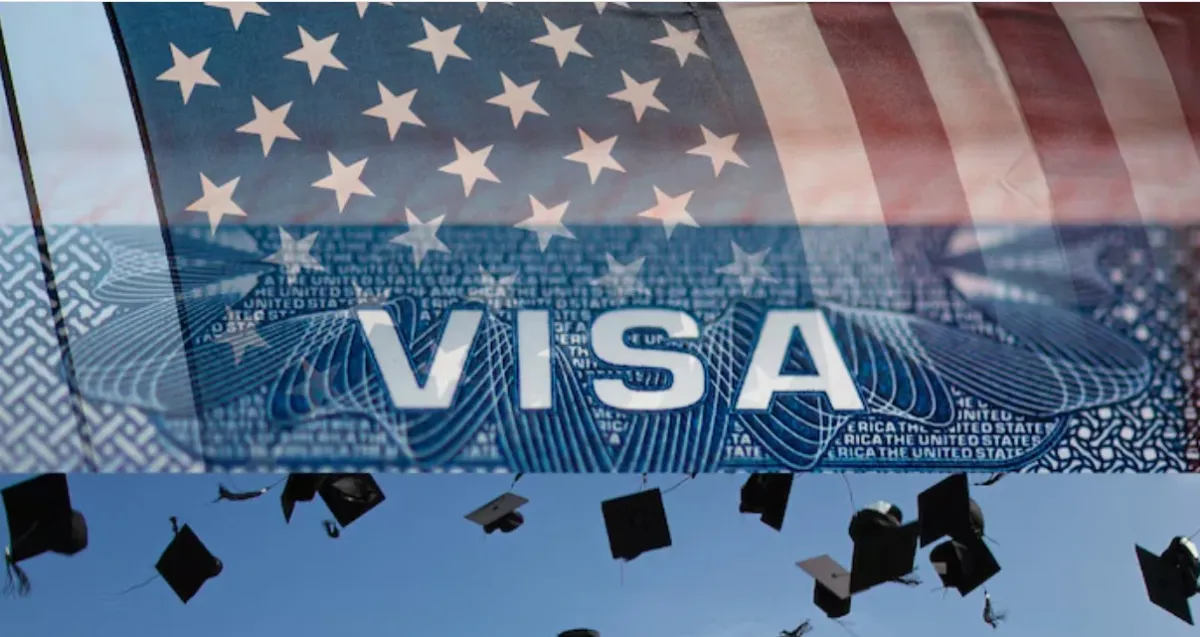
The U.S. Citizenship and Immigration Services (USCIS) has implemented new rules governing the use of photographs on immigration documents, a move expected to affect millions of visa and green card applicants across the country. The updated policy, announced last week, is now effective for most immigration benefit applications.
Under the revised guidelines, USCIS has significantly tightened its photograph reuse standards to strengthen identity verification and protect the integrity of official documents issued by the agency.
The most notable change is a new time restriction on reused photographs. USCIS will now only reuse an existing photo if it was taken within the past three years during a biometric services appointment. This replaces the previous policy that allowed photos to be reused for up to ten years.
In addition, the agency has discontinued the acceptance of self-submitted photographs. All required photos must now be captured during an official USCIS biometric appointment. Officials also emphasized that photo reuse is not guaranteed, even within the three-year timeframe, as immigration officers retain the authority to request a new photograph whenever necessary.
USCIS says the updated policy is designed to enhance document security by ensuring that immigration records reflect an applicant’s current appearance. Using more recent images is expected to reduce the risk of identity fraud and misuse of outdated credentials.
For applicants, the change may mean additional biometric appointments, particularly for those seeking renewals or status adjustments. This could initially lead to longer processing times. However, USCIS officials argue that the long-term benefits include more accurate identification and increased trust in immigration documents.
The revised photo policy is part of broader efforts by USCIS to modernize its identity verification processes. Applicants are advised to stay informed about updated biometric requirements to avoid potential delays in their cases.