US Travel Ban Turns Dream of International Students into Nightmare
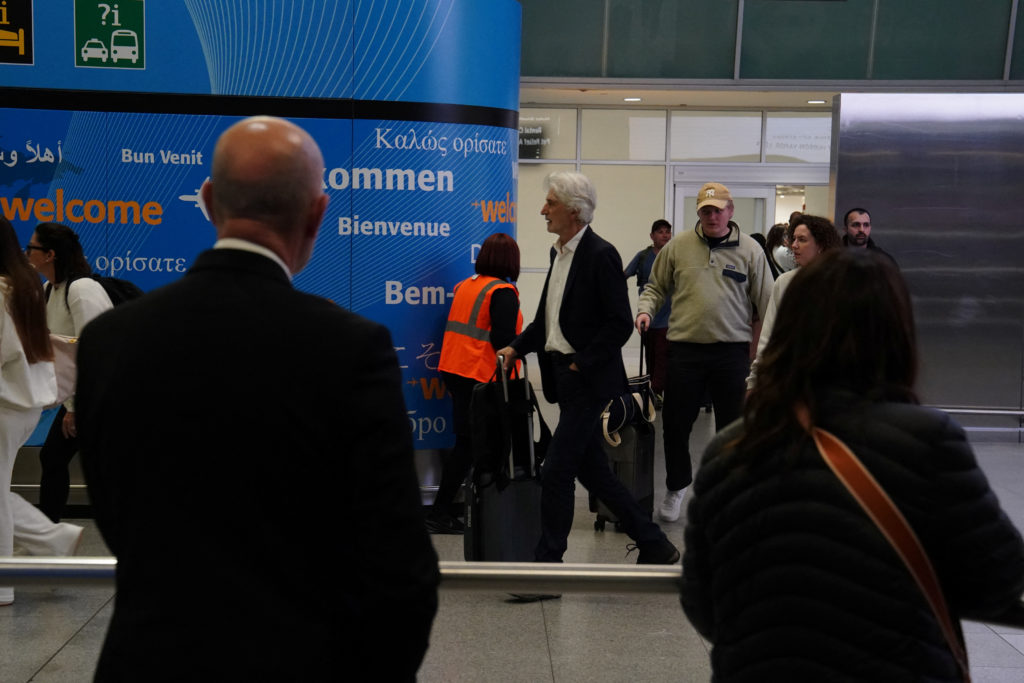
Travelers arrive at Terminal 4 at John F. Kennedy International Airport, ahead of U.S. President Donald Trump?s reinstatement of a new travel ban barring citizens of 12 countries from entering the U.S., in New York, U.S., June 8, 2025. REUTERS/Bing Guan
For decades, the United States has been the dream destination for Bangladeshi students seeking higher education. World-class teaching, cutting-edge research facilities, and global recognition made it the natural choice for many aspiring scholars. But a series of new travel restrictions and tougher visa rules under the Trump administration has cast a shadow over that dream.
Students who have secured admission letters are now unable to board flights. According to international reports, students from 19 countries — including Afghanistan, Iran, and Myanmar — are the most affected.
Bangladesh has also seen a growing number of students heading to the US. Around 13,000 Bangladeshis studied there in 2022–23, rising to over 17,000 in 2024 — a record figure. But many have been forced to defer admission due to embassy interview cancellations, stricter vetting, and visa suspensions.
Concerns have deepened after sudden visa cancellations and status terminations involving several students from India and Bangladesh. Many fear that once they leave the US, they may not be allowed to return. As a result, even short family visits are being avoided.
Sadia Islam (not her real name), a young graduate from Dhaka’s Mirpur, was admitted to a prestigious US university for her master’s degree. The day she received her admission letter was one of the happiest moments of her life. But her joy has since turned into despair. Her visa interview, scheduled three months ago, was abruptly cancelled.
“I don’t know if I can go this year,” she said. “My dream of studying abroad feels like it’s slipping away. My family is also under stress — we’ve already spent so much money, what if it all goes to waste?”
Arafat Hossain, a computer science student from Chattogram, faced a different ordeal. He had planned to visit home for Eid but cancelled his trip after hearing of possible visa termination.
“There’s no certainty I would be able to return,” he told the BBC. “I had to cancel my ticket. My parents were waiting for me, but now video calls are the only option.”
Universities in the US are also feeling the strain. Harvard University has even taken the matter to court, arguing that such policies undermine the global nature of education. While temporary relief has been granted, students remain uncertain about the future.
As a result, many Bangladeshi students are exploring alternatives such as Canada, Europe, or Australia.
International students not only contribute significantly through tuition fees but also enrich research, culture, and the economy. For Bangladeshi youth, the US once represented a gateway to opportunity. Today, that gateway is becoming harder to access.