US to Re-screen Green Cards of Immigrants from 19 Countries

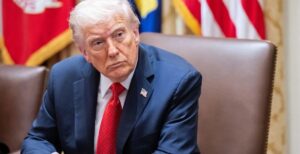
The United States has announced a fresh review of green cards issued to immigrants from 19 countries flagged for security and documentation concerns. Joseph Edlow, head of the U.S. Citizenship and Immigration Services (USCIS), said the directive came directly from President Donald Trump.
According to Edlow, the administration wants a “full and rigorous reassessment” of permanent residency approvals granted to individuals from countries the White House previously identified as high-risk. While USCIS did not release a new list, officials pointed to a June announcement that named 19 countries facing either full or partial entry restrictions.
Twelve nations—including Afghanistan, Iran, Libya, Somalia, Sudan, Yemen, Myanmar and others—were placed under full restrictions, while seven countries such as Cuba, Burundi, Laos and Venezuela faced partial limitations. The 2025 review follows a recent incident in Washington, D.C., where two National Guard soldiers were shot, one fatally, in an attack allegedly carried out by an Afghan immigrant who arrived under a special protection program in 2021.
President Trump described the attack as a sign of “a major national security threat,” criticizing what he called the “reckless refugee policies” of the previous administration. Following the incident, USCIS also paused all Afghan immigration proceedings while security screening processes are examined.
The administration has not explained how the green-card audit will be carried out or what criteria will be applied. Officials have suggested that the list of 19 countries reflects not only terrorism-related concerns but also issues such as weak passport systems, lack of reliable background verification, and high rates of visa overstays involving business, student and tourist travelers.
The renewed scrutiny echoes earlier actions by the Trump administration, including restrictions on travelers from several Muslim-majority nations during his first term—measures that triggered global disruptions and legal battles before ultimately being upheld by the Supreme Court.