US Iran War Costs Reach $38 Billion as Weapons Stockpiles Face Strain
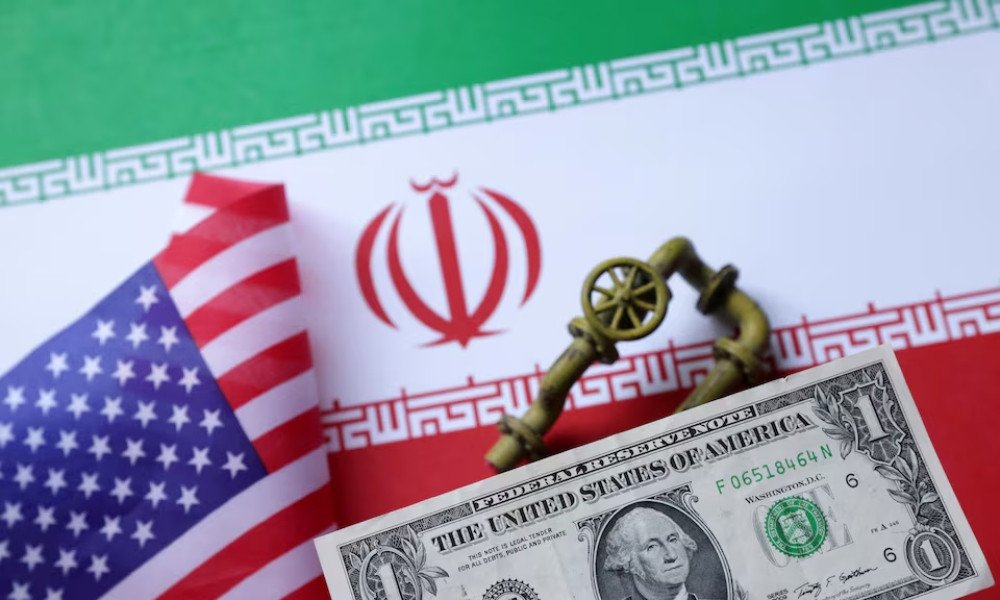
The United States has spent about $38 billion on its six-month war against Iran, with the cost expected to rise by another $3 billion each month if the conflict continues, according to an analysis by the Congressional Budget Office (CBO).
The CBO, the nonpartisan fiscal agency of the U.S. Congress, has warned that the conflict could also have broader economic consequences, including a potential 0.5 percentage-point increase in inflation by early 2027.
The war has also placed pressure on U.S. military stockpiles, particularly long-range precision missiles and missile-defense systems. According to a Reuters report, replenishing some of these weapons could take at least five years, potentially limiting U.S. military flexibility in the event of another major conflict involving China or elsewhere.
The conflict has also resulted in damage to U.S. military facilities, aircraft and fuel infrastructure in the Middle East following Iranian attacks.
The economic impact extends beyond U.S. defense spending. Attacks affecting the Strait of Hormuz and energy infrastructure in the Gulf have disrupted a critical global energy corridor, contributing to rising oil prices and concerns about international energy supplies.
The White House and Pentagon, however, have disputed claims that the United States faces an immediate shortage of weapons. U.S. officials have said American forces have sufficient ammunition and military capabilities to accomplish the president’s strategic objectives.
The escalating cost of the conflict comes as the United States faces a national debt of more than $40 trillion, adding to concerns about the potential impact of prolonged military operations on the federal budget.
Democratic lawmakers have criticized the war and its costs. At least 18 U.S. service members have reportedly been killed in the conflict.
The CBO’s estimate does not necessarily capture all future costs associated with the war. If the conflict continues, additional spending on weapons replacement, military operations and related expenses could further increase the financial burden on the United States.