US-Iran Talks End with Agreement on Lebanon De-confliction Mechanism
High-level negotiations between the United States and Iran aimed at ending the ongoing Middle East conflict concluded early Monday in Switzerland, with both sides agreeing to establish a “de-confliction cell” focused on reducing violence in Lebanon.
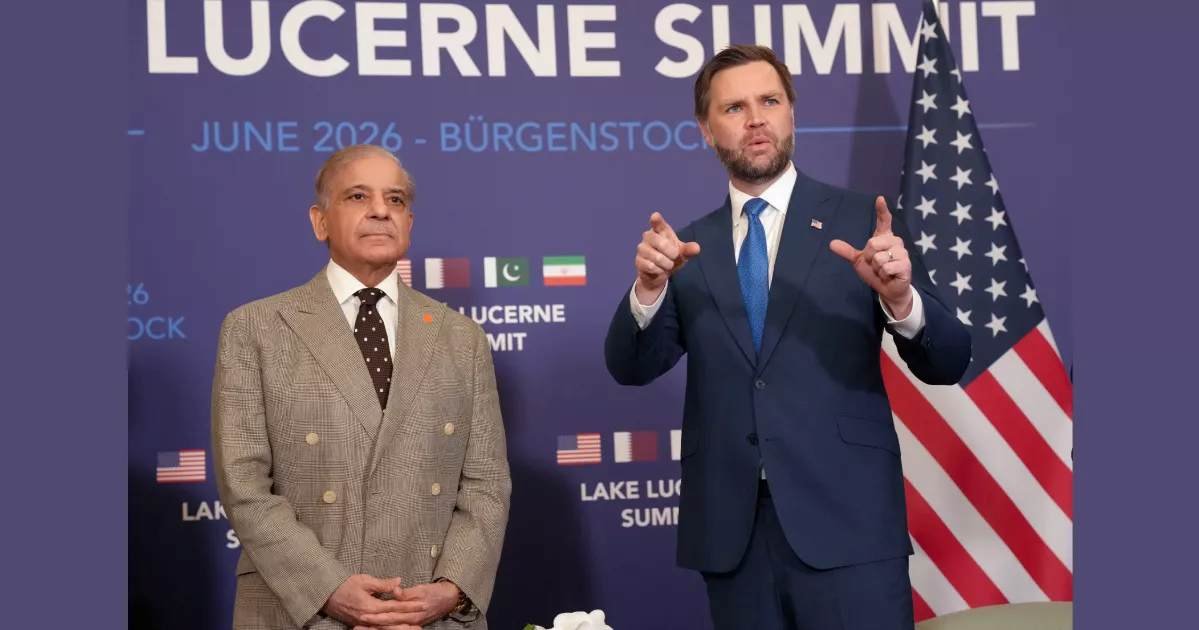
The agreement emerged after talks mediated by Pakistan and Qatar at the Bürgenstock Resort near Lucerne. According to a joint statement from the mediators, the de-confliction mechanism will include representatives from the Lebanese government and is intended to ensure compliance with the cessation of military operations in Lebanon.
The talks marked the beginning of a 60-day diplomatic process designed to secure a permanent settlement to the Iran war. However, the situation in Lebanon remains one of the most challenging issues in the negotiations, as fighting continues between the Iranian-backed Hezbollah movement and Israel.
While Iran welcomed the mediation efforts, the United States did not immediately comment on the agreement. Questions also remain about whether the new mechanism will be sufficient to halt hostilities, given Israel’s insistence on maintaining military freedom against militant threats and Hezbollah’s demand for an Israeli withdrawal from southern Lebanon.
The negotiations began under heightened tensions after US President Donald Trump warned Iran to restrain its allies in Lebanon, threatening further military action if attacks against Israel continued. Iranian officials responded sharply, with lead negotiator Mohammad Bagher Qalibaf warning that Tehran’s armed forces were prepared to respond to any escalation.
Despite the initial friction, Iranian Foreign Minister Abbas Araghchi later praised Pakistani and Qatari mediation efforts, describing the progress on Lebanon as significant. He said the success of the de-confliction cell would be the first major test of the broader diplomatic initiative.
US Vice-President JD Vance led the American delegation alongside senior negotiators Steve Witkoff and Jared Kushner. Iranian representatives, including Qalibaf and Araghchi, participated in an approximately 80-minute meeting that state media described as constructive.
According to officials involved in the discussions, negotiators also addressed concerns over the Strait of Hormuz, a critical global energy shipping route. Iran claimed it had again closed the waterway over the weekend, while US officials maintained that commercial shipping traffic continued uninterrupted.
Washington is seeking commitments from Tehran to keep the Strait of Hormuz open and engage in negotiations over its nuclear programme, which Western governments fear could be used for military purposes. Iran continues to reject those allegations.
The emerging agreement would allow Iran to resume unrestricted oil exports and gain access to billions of dollars in frozen assets. In return, Tehran would dilute part of its stockpile of highly enriched uranium. However, Iranian President Masoud Pezeshkian reiterated that Iran would not relinquish what it considers its right to enrich uranium.
The deal has sparked criticism from some Republican lawmakers in the United States, who argue it resembles previous nuclear agreements that they believe failed to permanently curb Iran’s nuclear ambitions.
Meanwhile, global energy markets reacted positively to the announcement, with oil futures falling nearly eight percent amid hopes that the diplomatic breakthrough could reduce regional tensions and stabilize energy supplies.