U.S. Restarts Processing of Refugee and Immigration Applications Following Court Order
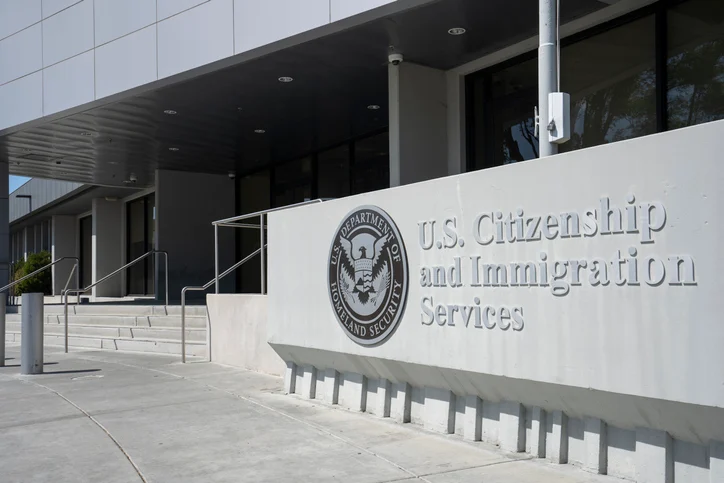
The United States Citizenship and Immigration Services (USCIS) has announced that it will resume processing refugee and immigration-related applications following a federal court order.
The decision comes after a ruling from a federal judge in Providence, Rhode Island, which found that restrictions imposed on immigration benefits for nationals of several countries violated U.S. immigration and administrative law. The agency stated that while it does not agree with the court’s decision, it will comply with the order pending further judicial review.
According to USCIS, implementation of the court directive has already begun in coordination with partner agencies. The ruling requires the resumption of previously suspended or delayed applications, including asylum requests, work permits, green cards, and other immigration benefits.
The case is linked to policy actions introduced following a security incident in late 2025 involving an Afghan national. In response, the administration had paused or delayed immigration processing for individuals from several countries classified as high-risk, affecting asylum seekers and Special Immigrant Visa (SIV) applicants among others.
The court determined that the policy was inconsistent with federal immigration and administrative law and noted that thousands of applicants were left in prolonged uncertainty, including individuals who had supported U.S. military operations and had already undergone security vetting.
Following the ruling, USCIS confirmed that processing of affected cases would resume while legal proceedings continue. The decision is expected to provide relief to thousands of applicants, particularly Afghan refugees and SIV holders, although the possibility of further legal appeals remains.
Legal analysts say the ruling could have significant implications for U.S. immigration policy, especially regarding how security concerns are balanced with humanitarian protections. The administration may still seek to challenge the decision in higher courts.
The case highlights ongoing debates over immigration policy in the United States, where stricter security screening and limitations on refugee admissions have remained central features of recent policy approaches.