U.S. Blocks Visas for Honduran Election Officials Amid Ongoing Vote Dispute
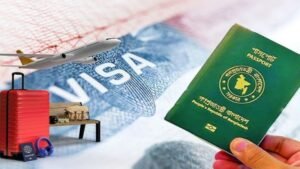
The United States has blocked visas for two senior Honduran election officials as the country struggles to finalize its presidential election results three weeks after voting. The decision, announced by U.S. Secretary of State Marco Rubio, comes amid delays and irregularities in the vote-counting process.
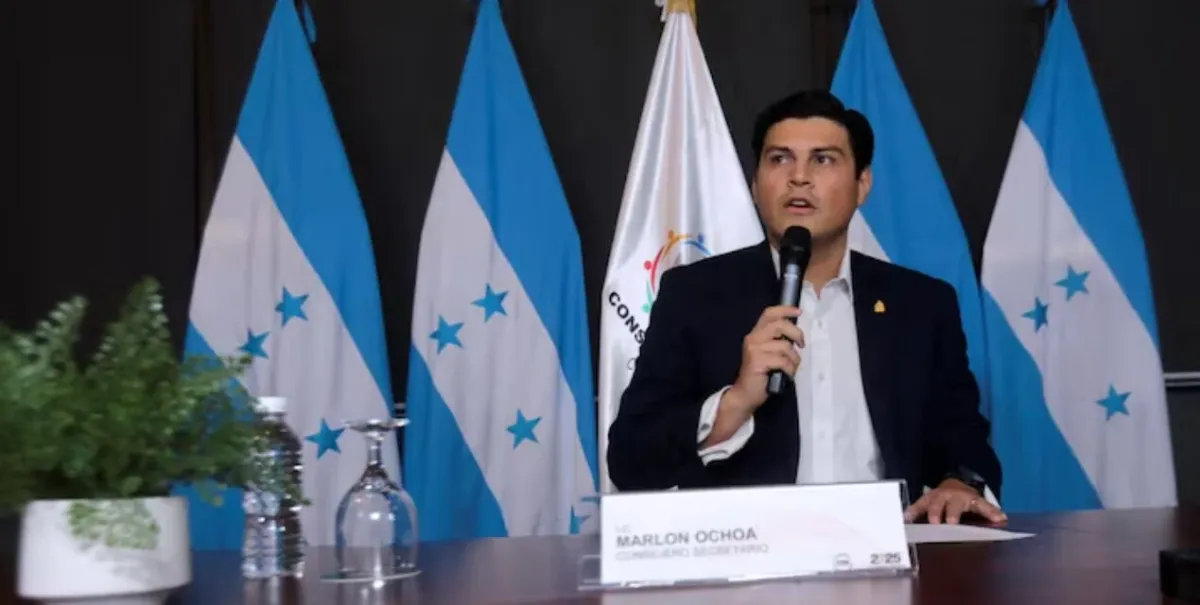
The officials affected are Marlon Ochoa, who was denied a visa, and Mario Morazan, whose visa was revoked. Both hold prominent positions in Honduras’ electoral system. Secretary Rubio stated that their actions have undermined democratic processes and warned that further measures could follow if the delays continue.
The presidential election, held on November 30, remains unresolved, with a narrow margin separating the leading candidates. Conservative candidate Nasry Asfura currently leads by roughly 43,000 votes out of more than three million cast. A manual ballot review began on Thursday, but protests and administrative delays have slowed the process. The Honduran electoral council has set December 30 as the deadline to certify a winner, with the new president scheduled to take office in late January.
Reports from news agencies indicate that preliminary tests of the voting system revealed significant flaws, with only a small portion of test ballots successfully processed. These issues have raised concerns about transparency and fairness in the electoral process.
The ongoing uncertainty has heightened political tension in Honduras and across Central America. Prolonged delays in confirming the election outcome could spark unrest and further erode public trust in institutions. The U.S. move to block visas signals increased international scrutiny and pressure on Honduran authorities to ensure a transparent and credible conclusion to the election.