U.S. Agencies Roll Back Guidance Protecting Immigrants From Lending Discrimination
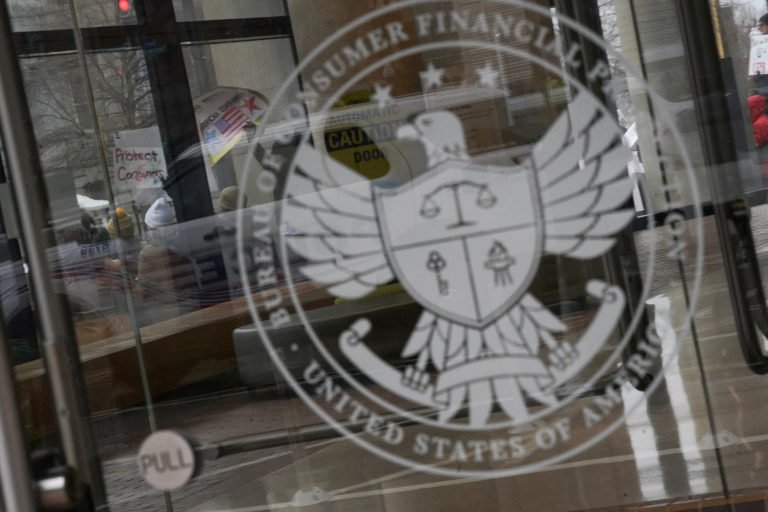
FILE PHOTO: Demonstrators take part in a protest by the Consumer Financial Protection Bureau (CFPB) building, the day after members of Elon Musk's Department of Government Efficiency (DOGE) moved into the CFPB, in Washington, U.S. February 8, 2025. REUTERS/Nathan Howard/File Photo
U.S. federal regulators have withdrawn a policy that explicitly warned lenders against discriminating based on immigration or citizenship status, a move that critics say could limit access to credit for immigrant communities.
The Consumer Financial Protection Bureau (CFPB) and the Department of Justice announced the withdrawal on Monday, reversing guidance issued in 2023 under former President Joe Biden. The earlier policy clarified that while lenders could consider immigration status as part of credit decisions, it could not be used in a way that resulted in bias or unfair exclusion.
Federal officials said the decision brings government policy back in line with existing civil rights law. According to the Justice Department, the withdrawn guidance went beyond what the law requires and was driven by ideological concerns rather than legal necessity.
Supporters of the rollback argue that federal fair lending laws already prohibit discrimination, making the additional guidance unnecessary. They also say the change aligns with the Trump administration’s broader approach to reducing regulatory oversight and tightening immigration enforcement.
However, consumer advocates and former regulators have raised concerns that removing the guidance could send a signal to lenders that stricter policies toward non-citizens are acceptable. They warn that credit-worthy immigrants may face greater difficulty obtaining loans, even when they meet standard financial requirements.
Legal experts say lenders could adopt policies requiring applicants to have active Social Security numbers or specific immigration documentation. While such rules may comply with federal policy, critics argue they could function as indirect barriers that disproportionately affect immigrants.
The rollback follows a series of federal actions aimed at discouraging immigrants without permanent legal status from remaining in the country. Some observers say the lending guidance withdrawal fits into a wider effort to make daily life—such as accessing housing, transportation, or credit—more difficult for undocumented or temporary residents.
Advocacy groups have called for increased oversight, warning that without clear enforcement standards, discrimination in lending may become harder to detect and challenge.