Trump’s Return Reshapes U.S. Economy in Just Six Months
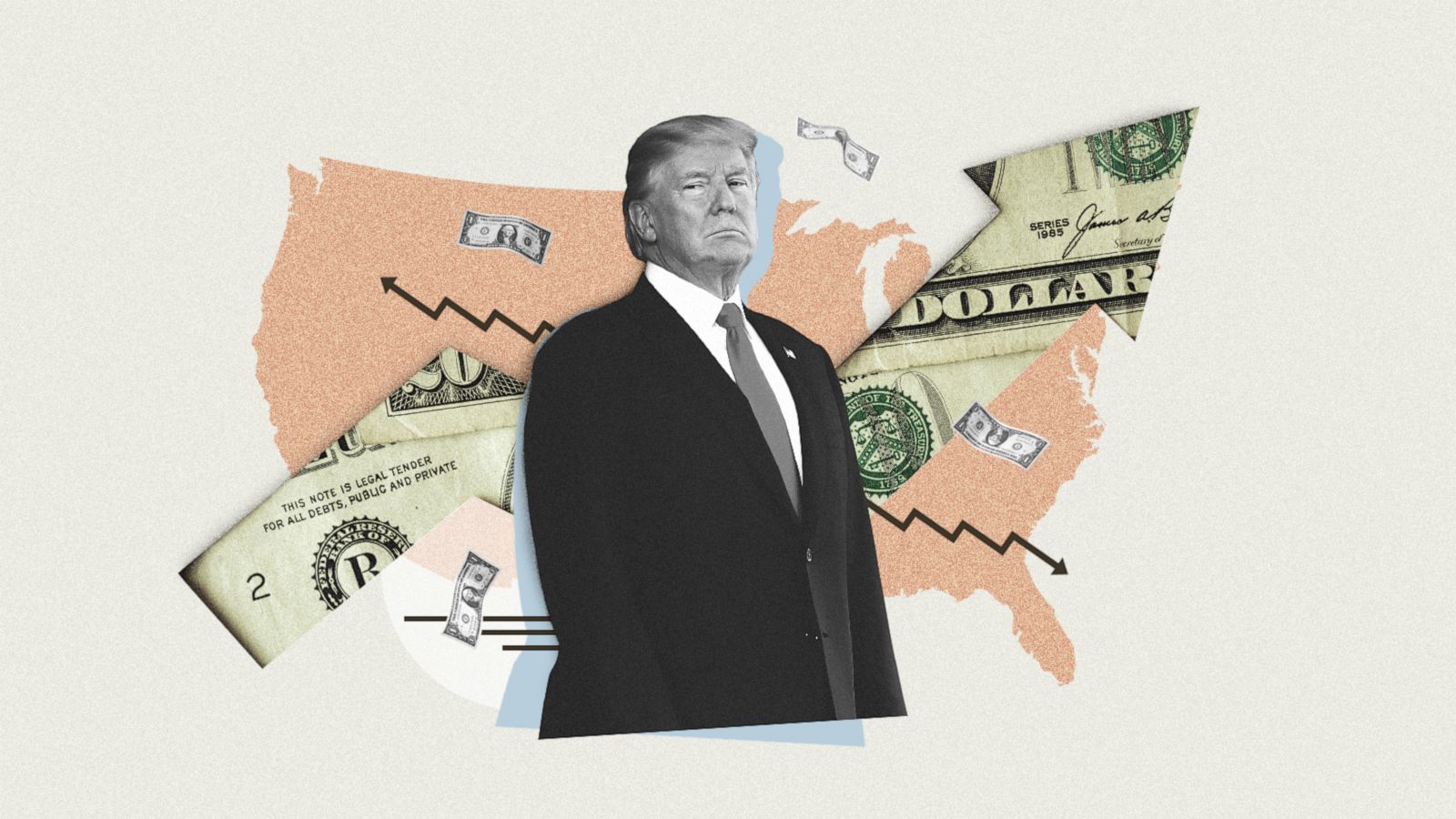
Six months into his second term as President of the United States, Donald Trump has already made a dramatic impact on the country’s economic landscape. From aggressive tariff policies to sweeping tax reforms, Trump’s approach has drawn both praise and criticism, painting a complex picture of an economy in transition.
One of the most significant developments has been the resurgence of trade tensions, particularly with China. Building on his previous term’s policies, Trump has escalated tariffs on Chinese imports to nearly 50 percent. While this has been promoted as a measure to bring manufacturing jobs back to American soil, it has also contributed to rising prices for everyday goods. Inflation reached 2.7 percent in June, up from 2.4 percent in May, sparking concerns among economists about the possibility of stagflation — the dangerous combination of economic stagnation and inflation. Despite promises of job growth, employment in the manufacturing sector has remained stagnant, and wage growth has dipped slightly.
Alongside his trade agenda, Trump has also pushed through a $4.5 trillion tax cut package, echoing his 2017 reforms. This latest round of tax cuts has largely benefited the wealthy, while offering little improvement in wage growth for average Americans. Analysts have expressed concern that such tax policies could lead to future cuts in critical sectors such as healthcare and social security. Critics have gone as far as to label the strategy a “reverse Robin Hood” — one that transfers resources from the poor to the rich.
Another area undergoing major shifts is the value of the U.S. dollar. Under Trump’s leadership, the dollar has depreciated significantly, with the dollar index falling by approximately 11 percent since he took office. The administration views this as a strategic move to boost exports and revive domestic manufacturing, though the resulting increase in import prices is straining consumer wallets.
Compounding these economic shifts is Trump’s increasingly vocal pressure on the Federal Reserve. His public criticism of the central bank and its chairman, Jerome Powell, has raised alarms about the Fed’s independence — a cornerstone of U.S. economic policy for decades. Economists warn that politicizing monetary policy could erode investor confidence and destabilize long-term economic planning.
Despite these uncertainties, the U.S. stock market has seen a surprising rebound. The S&P 500 has reached record highs following news of renewed trade talks with China. However, the benefits of this market surge are largely limited to the wealthiest Americans. The bottom half of earners own just 1 percent of the stock market, leaving millions without a stake in the recovery. Meanwhile, the bond market remains volatile, and business confidence is still fragile. Consumer sentiment has shown slight improvement but has yet to return to pre-pandemic levels.
In just half a year, Donald Trump’s economic policies have redefined the contours of the U.S. economy. His blend of protectionism, tax reform, and institutional confrontation has created a high-stakes environment that continues to evolve. Whether this path leads to a stronger, more self-reliant America or to deeper divisions and instability is a question only time can answer. What is clear, however, is that American households are already feeling the ripple effects — in their wages, in their spending power, and in their financial outlook.