Trump’s 28-Point Ukraine Peace Plan Draws Global Skepticism in Geneva Talks
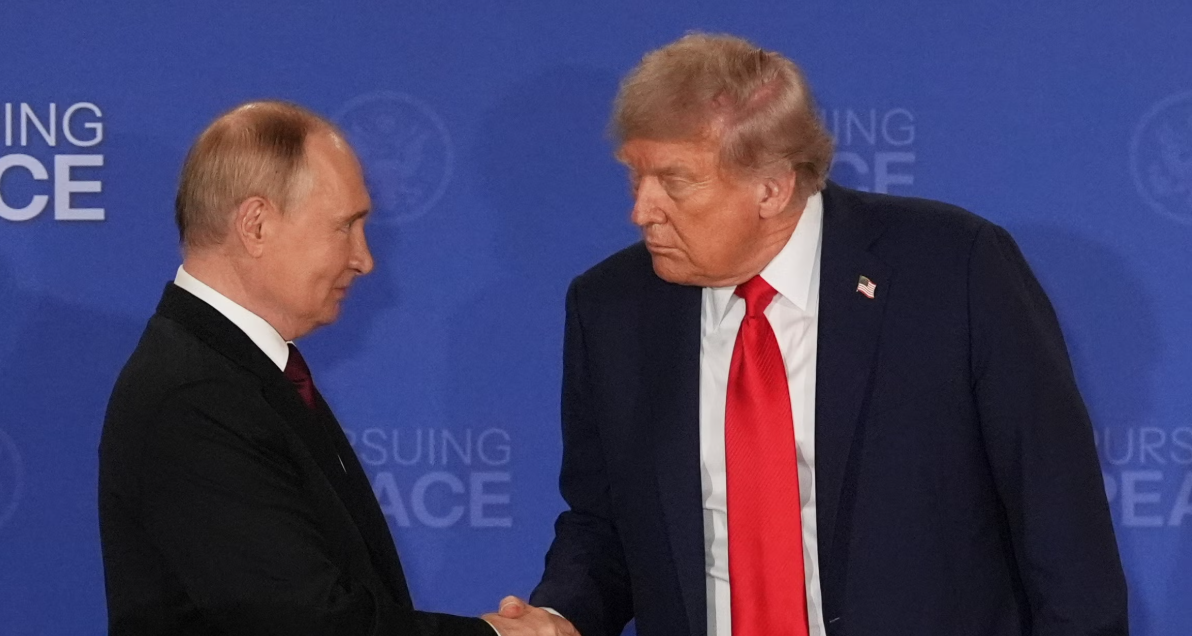
Diplomatic efforts to resolve the ongoing war in Ukraine have intensified in Geneva, where U.S. officials are presenting a 28-point peace plan developed during the Trump administration. The proposal has faced skepticism from both Ukrainian officials and European allies.
President Trump reportedly set a Thursday deadline for Ukraine’s acceptance, though U.S. Secretary of State Marco Rubio emphasized that the timeline could be adjusted, citing the urgent human toll of the conflict.
The plan reportedly includes measures that would be favorable to Moscow, including formal Ukrainian concessions of Crimea and other territories currently occupied by Russia. It would also block Ukraine’s future NATO membership.
These provisions have alarmed Ukrainian authorities and citizens alike, with many expressing concerns that the plan could compromise national sovereignty in exchange for a fragile ceasefire. European leaders, including German Chancellor Friedrich Merz, have voiced doubts over reaching an agreement by the proposed deadline.
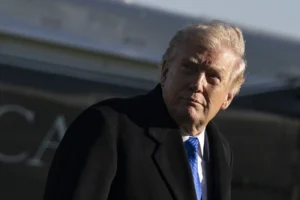
The U.S. delegation has described the plan as a “living document,” with Secretary Rubio noting that Moscow’s approval is essential for progress. President Trump’s public criticism of Ukrainian leaders—claiming they showed “zero gratitude”—has further complicated negotiations.
European capitals are exploring alternative proposals with France, Germany, and Canada to develop a more balanced approach that ensures Ukraine’s security while pursuing peace.
The Geneva talks will determine whether Ukraine can secure binding guarantees from Western allies, a critical factor for any territorial compromise. Observers warn that Russian President Vladimir Putin may seek to exploit any Western fatigue, underscoring the stakes of the negotiations.
The outcome of the peace talks could shape European security for decades, with a poorly designed deal potentially encouraging further aggression, while a fair resolution would reinforce international law and the principle of sovereignty.
As diplomats work around the clock, the world watches closely, awaiting a breakthrough in one of the most challenging conflicts of the 21st century.