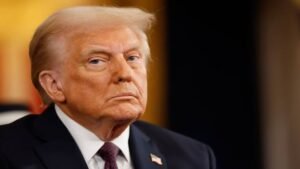
Trump pushes for trilateral summit with Putin, Zelenskyy
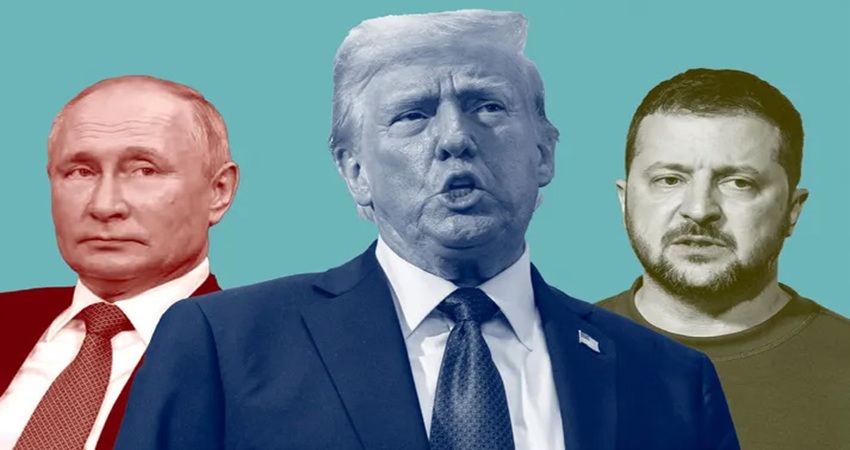
US President Donald Trump is seeking a high-level trilateral meeting with Russian President Vladimir Putin and Ukrainian President Volodymyr Zelenskyy as early as Friday (August 22), according to two senior White House sources who spoke to Axios.
The proposal comes after Trump’s recent discussions with European leaders and a phone call with Putin, during which the Russian leader outlined strict conditions for ending the war in Ukraine.
Key Russian demands include Ukraine’s full surrender of Donetsk and Luhansk to Moscow, a ceasefire in Kherson and Zaporizhzhia based on current battle lines—where Russia holds large swaths of territory and formal US recognition of Russia’s sovereignty over all four occupied regions under any peace agreement.
Russia currently controls nearly all of Luhansk and about 75% of Donetsk. In Kherson and Zaporizhzhia, however, its advance has stalled for months. Despite this, the Kremlin is presenting the halt in southern offensives as a “concession”—in exchange for Ukraine withdrawing from Donetsk.
A Ukrainian source said Russia has also signaled willingness to discuss its limited hold on parts of the Sumy and Kharkiv regions, though the proposed territorial swap heavily favors Moscow. “This isn’t peace—it’s capitulation,” the source said. “Kyiv will reject it outright.”
Trump, however, has described his talks with Putin as productive, claiming they “agreed on most issues.” He reportedly told allies he wants to move quickly on a summit to “end the war fast.”
Ahead of Zelenskyy’s visit to Washington on Monday, Trump has invited leaders from the UK, France, Germany, Italy, Finland, NATO, and the European Commission to join the discussions. Briefings were held en route from Alaska, where Trump hosted a strategic meeting with his national security team and international partners.
While Putin has expressed interest in discussing security guarantees for Ukraine, he suggested China as a potential guarantor—undermining Western efforts to establish a NATO-backed security framework.
To date, the Kremlin has not publicly confirmed any agreement to attend a trilateral summit. With fundamental gaps remaining, analysts say the proposal appears more symbolic than practical—though it could shape diplomatic momentum ahead of key international meetings.