Trump Predicts Swift End to Iran War as Tehran Reviews US Peace Proposal
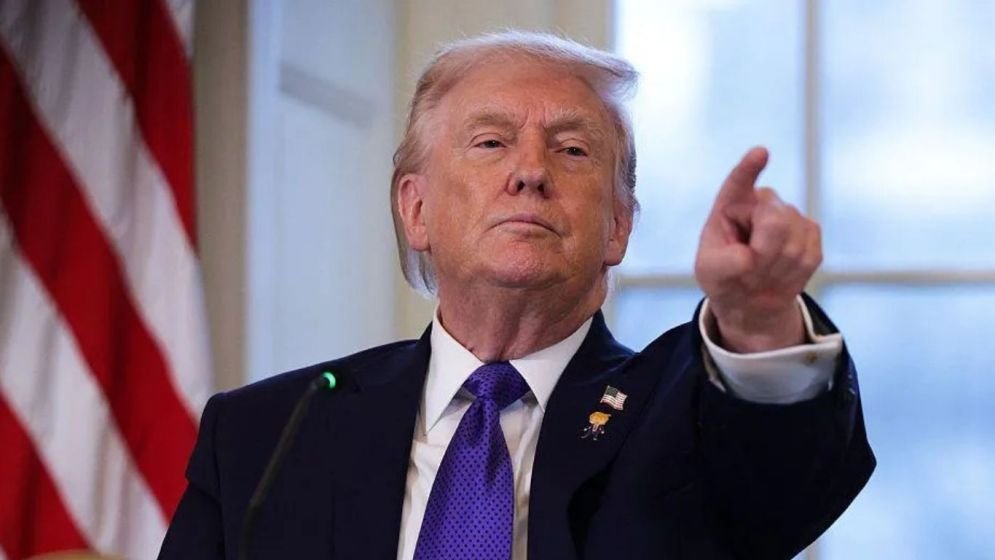
US President Donald Trump on Wednesday expressed optimism that the ongoing conflict with Iran could end soon, as Tehran reviews a US-backed peace proposal aimed at formally ending the war that began on February 28.
Speaking to reporters in the Oval Office, Trump said the two sides had made progress during recent discussions.
“They want to make a deal. We’ve had very good talks over the last 24 hours, and it’s very possible that we’ll make a deal,” Trump said, adding later that “it’ll be over quickly.”
According to sources familiar with the mediation efforts, the proposed agreement would formally end the conflict while paving the way for broader negotiations on reopening the Strait of Hormuz, easing US sanctions on Iran, and imposing limits on Tehran’s nuclear programme.
However, major disagreements remain unresolved, including Washington’s long-standing demand that Iran suspend its nuclear activities and restrictions related to missile development and regional armed groups.
An Iranian foreign ministry spokesperson, quoted by ISNA news agency, said Tehran would formally respond to the proposal after reviewing its contents. Iranian lawmaker Ebrahim Rezaei, spokesperson for parliament’s foreign policy and national security committee, dismissed the proposal as “more of an American wish-list than a reality.”
Meanwhile, Iranian Parliament Speaker Mohammad Bagher Ghalibaf mocked reports suggesting a breakthrough in negotiations, posting in English on social media that “Operation Trust Me Bro failed.”
He also accused Washington of attempting to shift attention away from its failure to reopen the Strait of Hormuz.
Oil Prices Fall on Hopes of Agreement
Reports of a possible peace deal pushed global oil prices sharply lower on Wednesday. Benchmark Brent crude futures dropped nearly 11 percent at one stage, falling to around $98 per barrel before recovering slightly above the $100 mark.
Global stock markets also rallied, while bond yields declined amid hopes that an end to the war could stabilize energy supplies and global markets.
Takamasa Ikeda, senior portfolio manager at GCI Asset Management, said investors believe the likelihood of further military escalation has decreased.
“The contents of the US-Iran peace proposals are thin, but there is an expectation in the market that further military action will not take place,” Ikeda said.
US Naval Operation Paused
Trump on Tuesday reportedly paused a naval operation aimed at reopening the blocked Strait of Hormuz, citing progress in diplomatic talks.
According to NBC News, citing unnamed US officials, the decision came after Saudi Arabia suspended permission for the US military to use a Saudi base in support of the operation.
The report said Saudi officials were frustrated by Washington’s announcement that American forces would help escort ships through the strait. Riyadh subsequently informed the US that it would not allow military aircraft to operate from Saudi bases or airspace for the mission.
The White House did not immediately comment on the report.
Despite the diplomatic developments, the US military has continued enforcing its blockade on Iranian vessels in the region. US Central Command said its forces fired on an Iranian-flagged tanker on Wednesday after the vessel allegedly attempted to head toward an Iranian port in violation of the blockade.
Key Issues Still Unresolved
Sources familiar with the mediation process said the US negotiations are being led by Trump’s envoy Steve Witkoff and son-in-law Jared Kushner.
If both sides agree to the initial memorandum, detailed negotiations toward a comprehensive agreement would continue for 30 days.
However, the preliminary proposal reportedly does not address several major US demands that Iran has previously rejected, including limitations on Iran’s missile programme, support for regional proxy groups, and Tehran’s existing stockpile of near-weapons-grade uranium.
The International Atomic Energy Agency has previously estimated that Iran possesses more than 400 kilograms of highly enriched uranium, raising ongoing concerns among Western powers over Tehran’s nuclear ambitions.