Trump Orders New U.S. Strikes on Iran After Attacks on Shipping in Strait of Hormuz
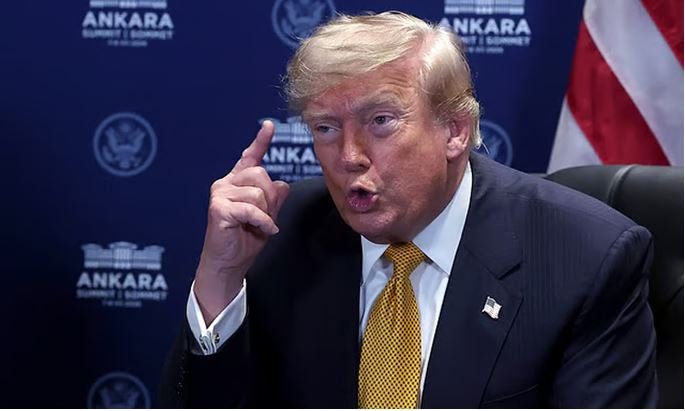
U.S. President Donald Trump on Wednesday ordered a new wave of military strikes against Iran, warning of even stronger action if Tehran continues targeting commercial vessels in the Strait of Hormuz, one of the world’s most critical energy shipping routes.
The strikes came after Iran allegedly attacked several ships in the strategic waterway, prompting Washington to launch what U.S. Central Command (CENTCOM) described as retaliatory operations aimed at protecting freedom of navigation.
Iranian state media reported explosions across several southern coastal locations, including Bandar Abbas, Konarak, Chabahar and Kish Island, following the U.S. attacks. Parts of Chabahar reportedly experienced power outages.
“This is in retribution for yesterday’s bombing of ships by Iran,” Trump wrote on his Truth Social platform. “If it happens again, it will get much worse.”
CENTCOM said the operation targeted military assets used to threaten international shipping, including air defense systems, coastal radar sites and vessels operated by Iran’s Revolutionary Guard Corps.
“The United States is holding Iran accountable for recent unjustified aggression against commercial shipping,” CENTCOM said.
Iran responded with strong warnings. Military adviser Mohsen Rezaei said the United States and its allies would face severe consequences for the attacks.
Earlier Wednesday, Trump declared that the ceasefire with Iran had effectively collapsed after renewed Iranian attacks in the Gulf. However, he later suggested diplomacy remained possible, telling reporters aboard Air Force One that Iranian officials had reached out seeking negotiations, although he expressed skepticism about the prospects for a deal.
The renewed fighting comes ahead of the scheduled burial of former Iranian Supreme Leader Ali Khamenei, who was killed during the opening days of the conflict on February 28.
The Strait of Hormuz, through which roughly one-fifth of the world’s oil and liquefied natural gas supplies normally pass, has become the center of the escalating confrontation. Iran has asserted control over the waterway, threatening to charge transit fees and warning ships against using unauthorized routes.
According to U.S. officials, Iran recently targeted at least three commercial vessels, triggering extensive American strikes on Tuesday. Iran later launched retaliatory missile and drone attacks against U.S. military facilities in Bahrain and Kuwait.
A U.S. military official said all Iranian missiles and drones were intercepted or failed to inflict significant damage, and no American casualties were reported.
The renewed violence has sparked international concern. António Guterres called on all parties to exercise maximum restraint, while Pakistan and Qatar urged renewed diplomatic efforts to prevent further escalation.
Oil markets reacted sharply to the latest developments, with crude prices surging about 8 percent amid fears of prolonged disruption to global energy supplies.
The crisis has also disrupted maritime operations, leaving nearly 6,000 seafarers stranded in the region, according to the International Maritime Organization, as uncertainty over the safety of one of the world’s busiest shipping lanes continues to grow.