The Forgotten History of African Slavery in Karachi
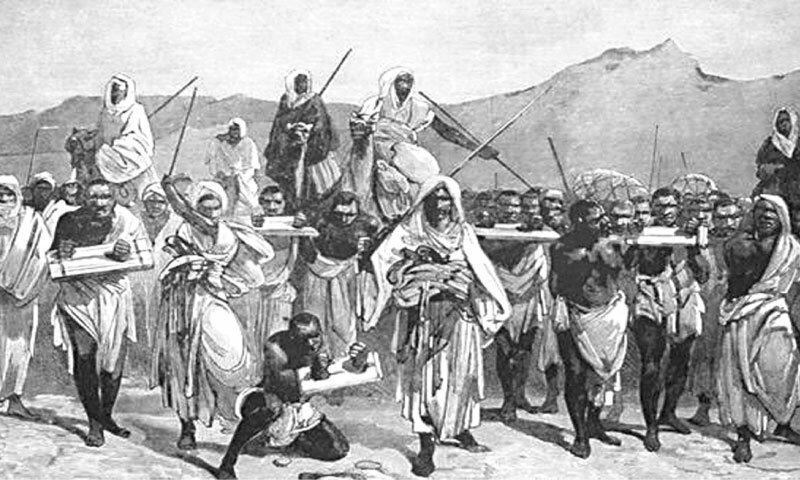
Mihirkanti Chowdhury: Slavery remains one of the darkest chapters in human history. Across Africa, Europe, the Americas, and Asia, people have at times been treated not as human beings but as property or commodities. While the transatlantic slave trade is widely discussed—where millions of Africans were forcibly transported to the Americas—a lesser-known story lies in the Indian Ocean region, with Karachi emerging as a significant center of the African slave trade during the 18th and 19th centuries.
The Context of Slavery
Before the British arrival in the 19th century, Karachi was primarily controlled by Arab traders and served as a key hub in the Indian Ocean slave trade. Arabs sourced enslaved people from East Africa—particularly Zanzibar and the Swahili coast—often through raids or capturing prisoners of war. These individuals were first brought to Muscat before being transported to Karachi for sale, locally known as the Sheedi community.
By the 1830s, the import of slaves into Karachi had surged. According to British naval officer Commander Thomas Greer Carless, around 1,500 slaves arrived in Karachi in 1837 alone. Although the British formally abolished slavery in Sindh in 1843, clandestine trading continued for several decades.
Classification of Slaves
Karachi’s slave markets categorized people into various groups:
Sheedi – Young boys and girls from East Africa employed in fishing, sailing, and domestic work.
Hubshee – Slaves from Abyssinia (modern-day Ethiopia), often more expensive, particularly women sold to elite households. Prices ranged from 170 to 500 rupees.
Makrani – People from the Makran coast, of mixed African and Baloch descent.
Gaado – Children born to local Sindhi men and African slave women.
Qambrani – Descendants of Gaado, who achieved relatively higher social status.
Social Roles and Life
Slaves in Karachi and Sindh served multiple roles: agricultural workers, soldiers, palace guards, horse caretakers, or royal attendants. Women primarily performed domestic tasks, often in high demand.
Compared to the brutal conditions of slavery in Europe and the Americas, contemporary European travelers described the Sindhi system as relatively “tolerant,” with some slaves treated like family members and even attaining positions of influence. One notable example is Hoshu Sheedi, a warrior of slave descent who fought courageously against the British in 1843.
Cultural life was a significant part of the community, including dance, music, and drumming. Richard Burton, in his travel writings, observed Sheedi performances at Karachi’s Manghopir festival, a tradition that survives today.
Life After Emancipation
Even after the British formally abolished slavery, freed slaves faced challenges. Some continued to work for former masters, while others established settlements across Karachi and Sindh. Lyari, in Karachi, became a major Sheedi settlement, still home to their descendants.
They integrated into various occupations—dock labor, carpentry, boating, and agriculture. Over time, they became an inseparable part of Sindhi society, although often economically marginalized.
Descendants Today
The Sheedi community in Lyari maintains a vibrant cultural identity despite poverty and neglect. Traditional Sheedi dances and drum performances are central to social events such as weddings and festivals. Women in Lyari are socially active, participating in political rallies and celebrations, reflecting the community’s resilience and cultural strength.
Historical Significance
The history of African slavery in Karachi offers several key lessons:
Complex Human History – Slavery shaped societies not only in the Atlantic but also in the Indian Ocean region.
Cultural Fusion – African slaves contributed a unique cultural layer to Sindhi society, still evident in music, dance, and rituals.
Legacy of Neglect – Centuries later, the Sheedi community remains marginalized.
Resistance and Dignity – Figures like Hoshu Sheedi demonstrate that enslaved peoples and their descendants played active roles in struggles for freedom.
Conclusion
The history of slavery in Karachi reminds us of the dark chapters hidden behind human progress. Slavery was a tool of economic, political, and power structures, yet it also gave rise to new cultural traditions, music, dance, and social identity. Today’s Sheedi community in Lyari and across Sindh stands as living testimony that even communities born from oppression can preserve cultural strength and human dignity. Their story is not a marginal footnote but a remarkable human narrative, emphasizing the value of freedom, culture, and equality.
Author Bio: Mihirkanti Chowdhury is a writer, translator, and Executive Director of the Tagore Center, Sylhet.