Spiritual Care Becomes Scarce for Immigrants in U.S. Detention Centers
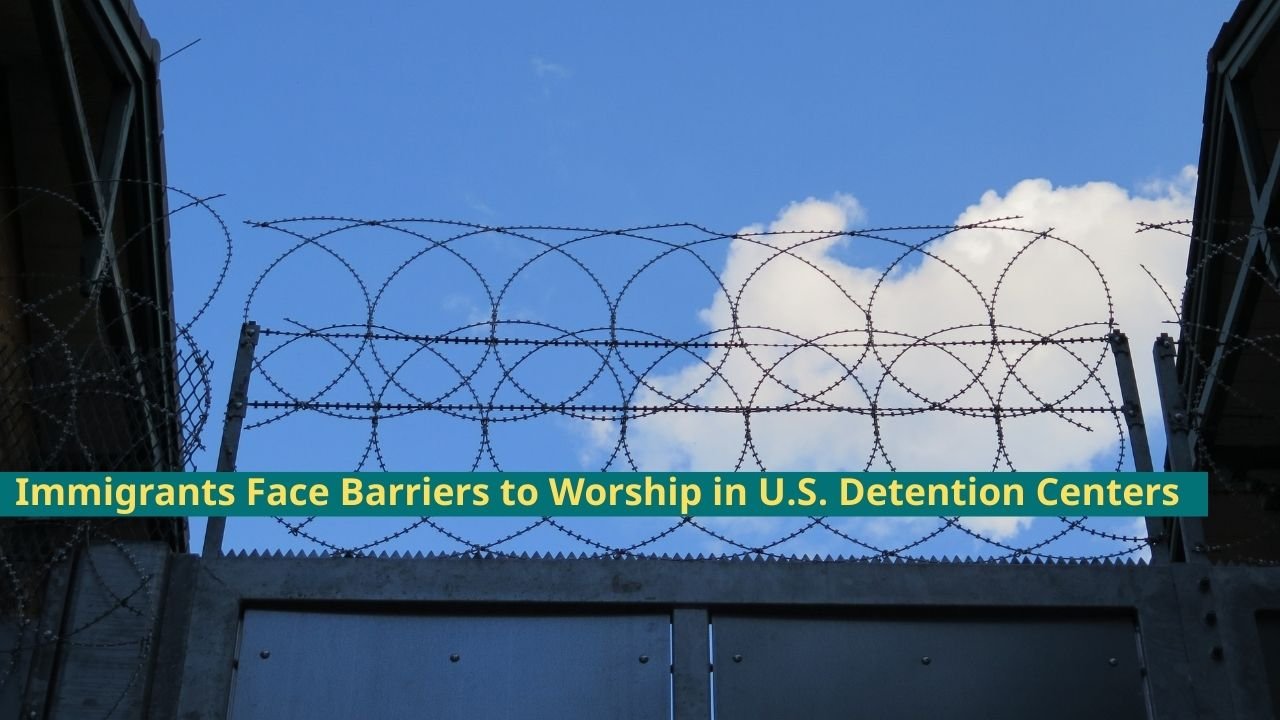
As the Trump administration expands federal immigration detention at an unprecedented scale, concerns are growing over detainees’ access not only to food, medical care, and legal aid—but also to religious worship.
Advocates say thousands of immigrants held in detention facilities across the United States are being denied basic spiritual care, even as major religious observances such as Lent and Ramadan have begun for Christians and Muslims.
Several religious organizations have taken legal action against the Department of Homeland Security, alleging that clergy members are being blocked from entering detention facilities to provide pastoral services. Others, including Catholic leaders, have publicly criticized what they describe as violations of religious freedom.
According to officials, nearly 70,000 people are currently held in immigration detention—up from about 40,000 a year ago. The majority are Christians, with Catholics making up more than half. Muslim detainees, though fewer in number, face additional challenges due to the shortage of Muslim chaplains, particularly in states like Texas.
In recent weeks, lawsuits in Minnesota and Illinois have forced authorities to allow clergy access to detention centers. In one case, a federal judge ruled that denying pastoral care caused “irreparable injury” to both detainees and religious ministers. Catholic priests were later permitted to administer Communion and Ash Wednesday rites inside an Illinois detention facility.
Elsewhere, clergy members denied entry have held prayer services outside detention buildings in protest. Religious leaders argue that blocking worship is comparable to denying emergency medical care.
The Immigration and Customs Enforcement has not responded publicly to requests for comment. Although ICE standards require detainees to be allowed to practice their religion and receive faith-based dietary accommodations, advocates say enforcement varies widely.
Muslim advocacy groups report that many detainees struggle to observe Ramadan properly due to improper meal schedules and uncertainty over halal food. Some detainees reportedly skip meals altogether.
Catholic bishops and faith leaders across denominations have warned that the rapid expansion of detention centers raises serious moral concerns. In a recent statement, the United States Conference of Catholic Bishops described the current moment as a “moral inflection point,” comparing large-scale detention plans to historical internment camps.
As immigration enforcement intensifies, religious leaders say ensuring access to worship is not optional—but a fundamental human right.