Protest-Led Party on Path to Form Government in Nepal
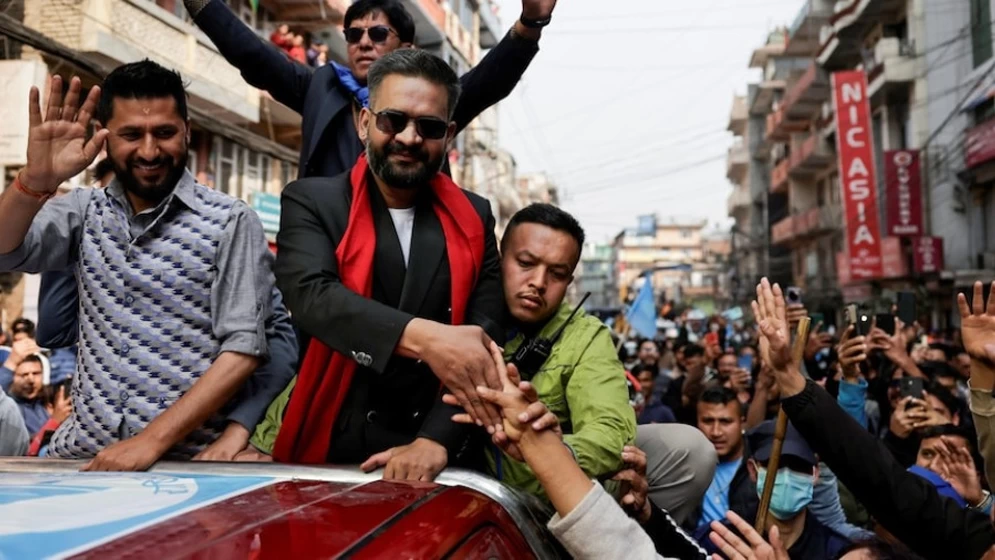
While vote counting for Nepal’s general elections is still ongoing, preliminary results show a decisive lead for the Rastriya Swatantra Party (RSP), a youth-backed party that spearheaded last year’s mass protests. With the party on track to secure a majority, the formation of a new government in the country appears likely.
According to The Kathmandu Post, RSP is leading in approximately 96 constituencies nationwide based on preliminary counts and has already confirmed a victory in one seat.
Balen Shah, the capital city Kathmandu’s mayor and a high-profile RSP candidate, is also leading by a wide margin in his constituency, making RSP the strongest contender so far.
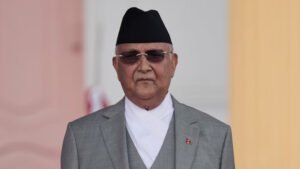
Meanwhile, the main political parties are trailing: Nepali Congress leads in 12 constituencies with one confirmed win, while the Communist Party of Nepal (CPN–UML), led by former Prime Minister KP Sharma Oli, leads in nine constituencies. Several candidates from Pushpa Kamal Dahal’s faction of the Communist Party are also in strong positions in a few seats.
The elections come after last September’s youth-led mass protests, which forced the resignation of then-Prime Minister Oli’s government. An interim government under Prime Minister Sushil Koirala organized the current elections.
This is Nepal’s first national election since the protests. Using a first-past-the-post system, a total of 67 political parties are contesting 165 seats nationwide. Vote counting is still underway.
Analysts say that if current trends continue, these new political forces emerging from the protests could play a central role in forming the next government, potentially bringing significant change to Nepalese politics.