Pathchola brings health workers, journalists and underrepresented communities together to improve access to health care
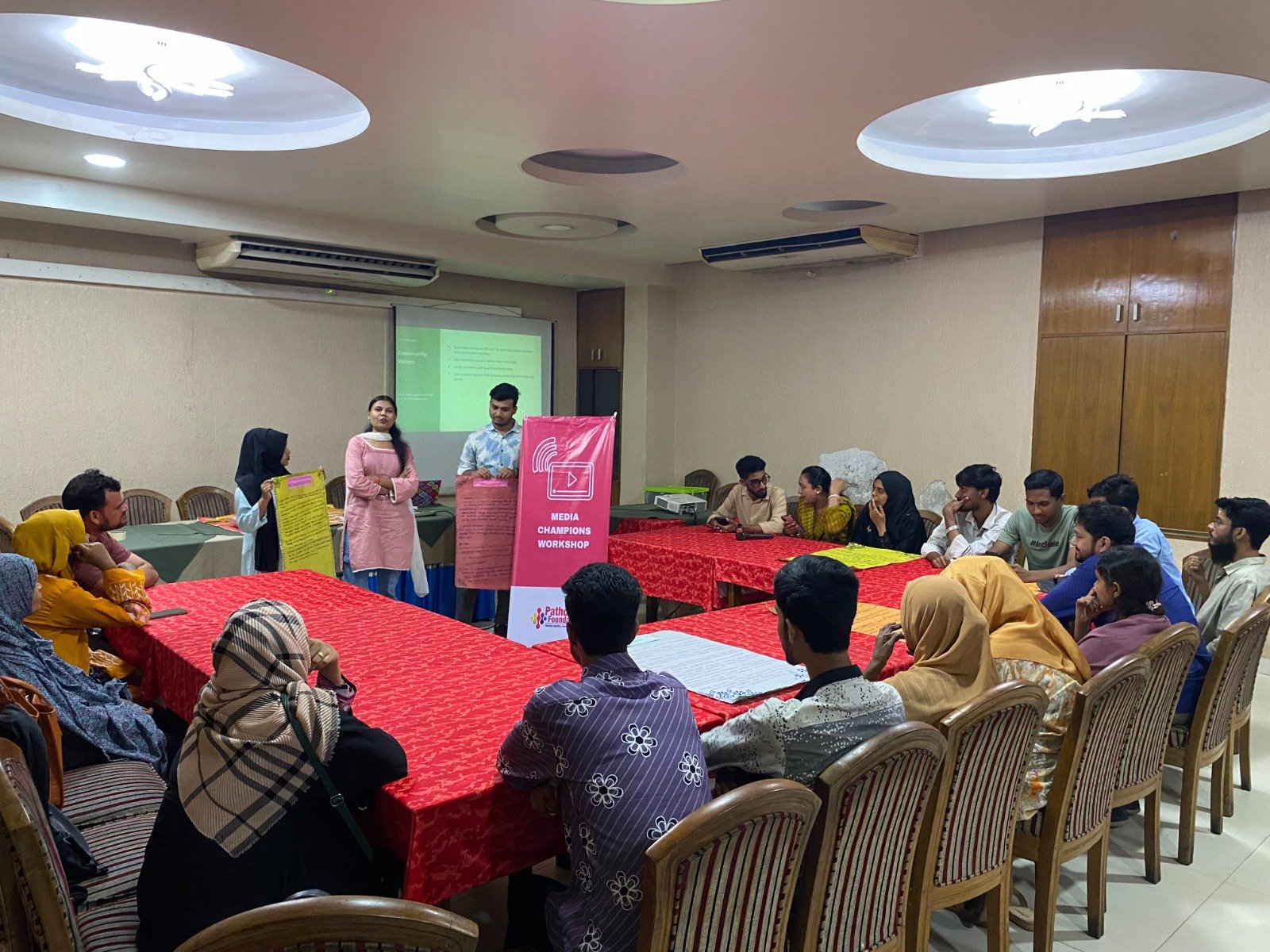
Pathchola Foundation has completed its project ‘Breaking Down Barriers to Health Services: Building Community Changemakers and Health Allies for Inclusive HIV, TB and Malaria Services,’ aimed at improving access to care for underrepresented communities in Chattogram.
The project ran from August to October. It was supported by the Thomson Reuters Foundation and the Global Fund, with a small grant through Youth LEAD, organisers said.
It focused on underrepresented communities who often face stigma at registration counters, in waiting areas and during consultations.
As part of the project, 40 young people from underrepresented communities were trained in Khagrachhari, Bandarban and Rangamati on legal support, digital and physical safety, and advocacy. They will carry out outreach in their own communities.
In Chattogram, 15 doctors, nurses, technical staff and front desk workers attended a two-day consultation on respectful and confidential care. Each prepared a personal action plan to put into practice at their own facility over three months.
A one-day workshop for 20 journalists from four districts covered accurate, non-stigmatising reporting and the protection of sources’ privacy.
A consultation on October 3 brought together 23 representatives of underrepresented communities and other stakeholders to review findings from a community-led study on health barriers. Participants agreed on a joint Call to Action.
The project then closed with district advocacy visits, led by four facilitators, to present the Call to Action to local authorities. The team visited Rangamati General Hospital on October 4, the health department at the Khagrachhari Social Welfare Office on October 5, the Additional Deputy Commissioner’s office in Bandarban on October 6, and the Civil Surgeon’s office in Chattogram on October 7.
According to the organisers, the activities were meant to show that dignity in health care begins at the first point of contact, including the registration desk.