Online gaming: Smartphone turns dangerous
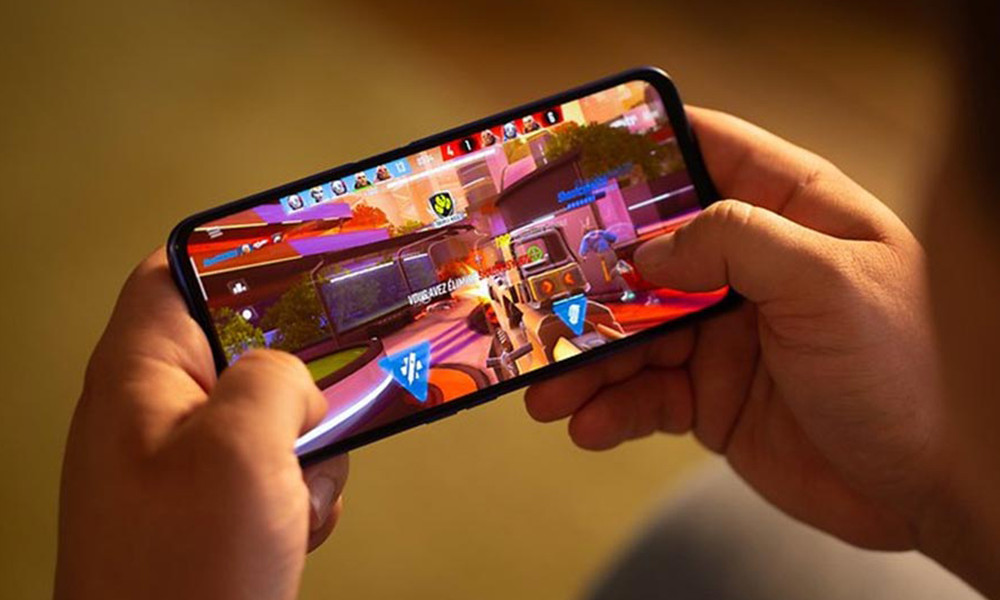
The rapid spread of the internet and smartphones in Bangladesh has opened up a new world for children and teenagers. But that world is not always safe. Alongside education, many adolescents are increasingly drawn into gaming, social media, and entertainment. Alarming trends show they are becoming involved in cybercrime, while excessive gaming addiction is also causing mental health issues.
Experts say a large portion of children and teens aged 8 to 18 spend hours every day absorbed in games like Roblox, Minecraft, Fortnite, or Kogama. Most of them use smartphones. But these games are not just about entertainment—through them, children are exposed to obscene content, cyberbullying, and even traps set by criminal groups.
International research shows that in 2024, an average of 85 million people played Roblox daily, nearly 40 percent of whom were under the age of 13. In Bangladesh, the number of users of such platforms is steadily increasing. Psychologists believe that concerns about child safety on these platforms are intensifying.
Professor Md. Mahbubur Rahman, a child psychiatrist in Dhaka, said, “Once a child or teenager becomes addicted to online games, it is extremely difficult to pull them out. Their sleep, studies, social interactions, and mental development are severely harmed.”
According to video game addiction statistics, 8.5 percent of gamers aged 8 to 18 worldwide suffer from gaming disorder. In Bangladesh in recent years, children have been experiencing sleep problems, sudden anger, social isolation, and even suicidal tendencies—one of the major causes being smartphone and online game addiction.
For instance, Rakib (pseudonym), an eighth-grade student in Chattogram, would play Roblox all night. One day, inside the game, he was invited to a group where obscene scenes were shown. He was then threatened that screenshots would be leaked. Terrified, he lost focus on his studies. Without the knowledge of families, many teenagers are falling into such mental distress.
Chattogram’s incident is just one example. From gaming addiction to Facebook group interactions and ultimately phishing and hacking—this downward spiral has become the reality for many teenagers in the country.
Psychiatrists say teens aged 12 to 18 are spending abnormal amounts of time on games like Free Fire, PUBG, and Call of Duty due to addiction. Under the guise of virtual friendships, they are befriending strangers—many of whom are linked to criminal groups.
Through gaming communities or social media groups, adolescents are being drawn into pornography, violence, gambling, and betting. Many criminal networks are even teaching children phishing, hacking, credit card fraud, and online scams. Experts warn that late-night gaming is ruining academic focus. Attracted by money, some teenagers are turning into scammers or hackers.
Law enforcement officials say Bangladesh has the Digital Security Act and cyber tribunals to combat cybercrime. But when minors get involved, it becomes more complicated for families and society. Legal experts argue that, for juvenile offenders, punishment must be accompanied by rehabilitative measures.
Fayez Ahmed Tayeb, Special Assistant to the Chief Adviser (Ministry of Posts, Telecommunications and Information Technology), told Bangladesh Pratidin: “There was discussion about banning various online gaming sites including PUBG. We said, unless PUBG can confirm that it will not allow anyone under 18 to play, we will not open it. It has to be controlled through Google or Mac’s parental club. I don’t think the government can control it through legislation. If parents are not aware, then it cannot be controlled in any way.”