Oil Prices Surge After Trump Rejects Iran Peace Terms, Markets React to Middle East Tensions
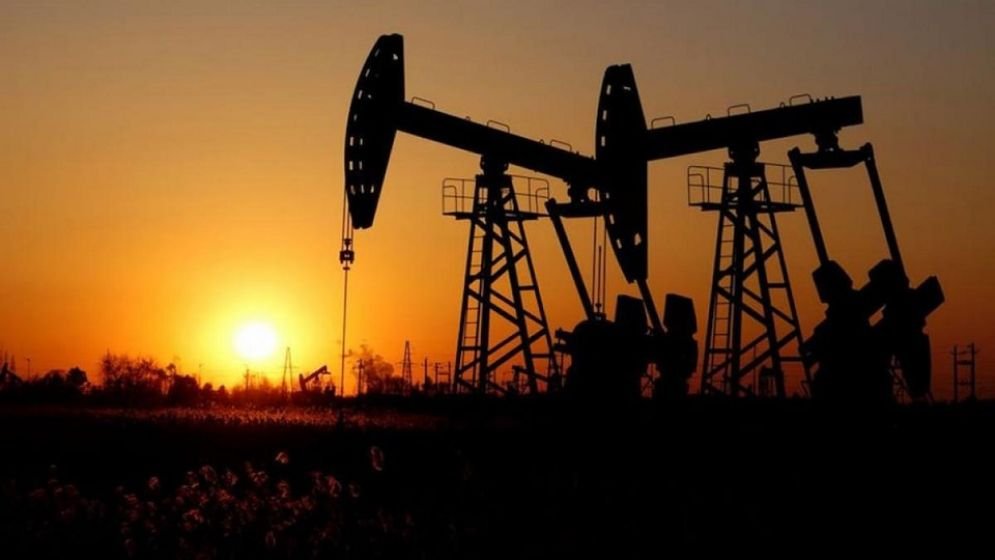
Global oil prices jumped sharply in Asian trading on Monday after former US President Donald Trump rejected Iran’s latest conditions for ending ongoing tensions in the Middle East, raising fears of prolonged geopolitical instability and possible disruption to global oil supply routes.
Brent crude rose nearly 4.75% to around $99.95 per barrel, while West Texas Intermediate (WTI) climbed over 4% to about $105.50, as traders priced in higher risk premiums linked to potential instability in the Strait of Hormuz — a key global oil shipping route.
The market reaction came after Trump publicly dismissed Iran’s response to a proposed peace framework, calling it “totally unacceptable.” His comments signaled that diplomatic progress between the two sides remains uncertain.
Iranian President Masoud Pezeshkian responded by stressing that Tehran would not “bow down” and warned that dialogue should not be interpreted as surrender, further escalating tensions.
Analysts say the breakdown in negotiations increases the likelihood of prolonged uncertainty rather than a quick resolution. Market experts noted that continued friction could keep oil prices elevated due to supply risk concerns.
Asian stock markets showed mixed performance amid the developments. Japan’s Nikkei index fell slightly, Hong Kong’s Hang Seng also declined, while South Korea’s Kospi surged nearly 4%, supported by strong technology stocks.
In Japan, shares of gaming giant Nintendo dropped sharply after profit warnings and a planned price increase for its upcoming Switch 2 console.
Meanwhile, global attention is also focused on upcoming high-level diplomatic meetings involving US and Chinese officials, including discussions on trade and economic security, which could further influence market sentiment in the coming days.
Overall, investors remain cautious as geopolitical tensions and trade uncertainties continue to shape global financial markets.