Nostalgia-Driven Policies in U.S. and China Raise Global Innovation Concerns
The United States and China are adopting policies influenced by historical models, raising concerns about the future of global innovation. Both countries’ strategies draw inspiration from the 1950s and reflect the vision of senior leaders who emphasize tradition while discussing progress.
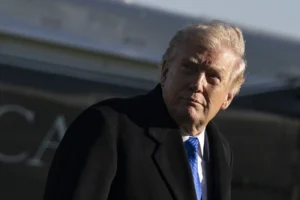
In the U.S., former President Donald Trump promotes a return to classic industries like steel, automobiles, and agriculture. His administration favors stricter immigration rules and uses imagery reminiscent of the post-World War II era to encourage job growth and economic stability.
Meanwhile, China, under President Xi Jinping, emphasizes state-led development rooted in Mao-era thinking. Policies encourage long working hours, limited household wealth distribution, and a focus on high-tech self-reliance. The approach aims to strengthen national industry but places pressure on workers and private enterprises.
Experts warn that these strategies could slow innovation. In China, strict oversight may hinder creativity, while in the U.S., investment in old industries could divert attention from emerging technologies like clean energy, electric vehicles, and AI.
With the U.S. and China leading global advances in robotics, artificial intelligence, and other technologies, such nostalgia-driven policies may create opportunities for other countries to take the innovation lead.