New Health Regulations for Cooling Towers Implemented in New York City
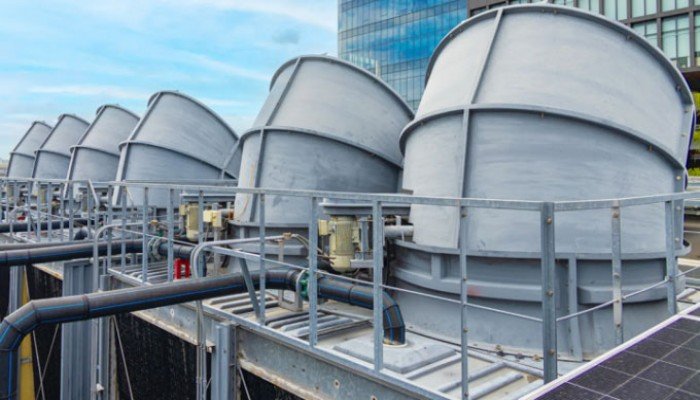
New York City’s Department of Health and Mental Hygiene has introduced stricter regulations for cooling towers in buildings across the city, requiring more frequent testing for Legionella bacteria as summer approaches.
Under the new rules, every operational cooling tower must now be tested for Legionella every 31 days, a significant increase from the previous requirement of once every 90 days. Health officials say this is one of the strictest cooling tower safety systems in the United States, aimed at reducing the risk of Legionnaires’ disease.
City health authorities stated that the updated regulation will require building owners to conduct more frequent monitoring and maintenance to ensure early detection of harmful bacteria.
Deputy Mayor for Health and Human Services Dr. Helen Artega said the administration is prioritizing public health and safety through practical measures that strengthen cooling tower oversight and help detect bacterial contamination more quickly.
Health Commissioner Dr. Alistair Martin described the move as a critical step in protecting residents, emphasizing that public health remains the city’s highest priority. Buildings Commissioner Ahmed Tignani added that the new rules will help building owners identify risks earlier and protect communities from exposure to harmful bacteria.
The policy follows a severe outbreak of Legionnaires’ disease in Central Harlem last year, where 118 people were infected, 92 were hospitalized, and at least seven people died. In response, the New York City Council strengthened cooling tower regulations and approved higher penalties for non-compliance.
As part of the expanded plan, the city has allocated an additional $13 million in the 2027 fiscal budget for the Department of Health, which will be used to hire 23 new water ecologists. This will increase the number of inspectors to 54, with the goal of inspecting all registered cooling towers across the city annually.
Currently, around 4,000 buildings across the five boroughs have registered cooling towers. The health department has already begun notifying building owners about the new requirements and is conducting training and awareness programs to ensure compliance.
Legionnaires’ disease is a severe form of pneumonia caused by Legionella bacteria, which grows in warm, stagnant water. It can spread through water vapor released from cooling tower systems. People over 50, smokers, and individuals with weakened immune systems are considered most at risk.
Symptoms include fever, cough, muscle pain, and breathing difficulties. Health officials note that the disease can be treated with antibiotics if detected early.
State Senator Cordell Clear said the revised law is a positive step following last year’s deadly outbreak, while City Council Health Committee Chair Lynn Schulman emphasized that New Yorkers deserve strong public health protections and that more frequent inspections will help ensure safer buildings and communities.