Migrants Endure Prolonged Detention and Dire Conditions in U.S. Facilities
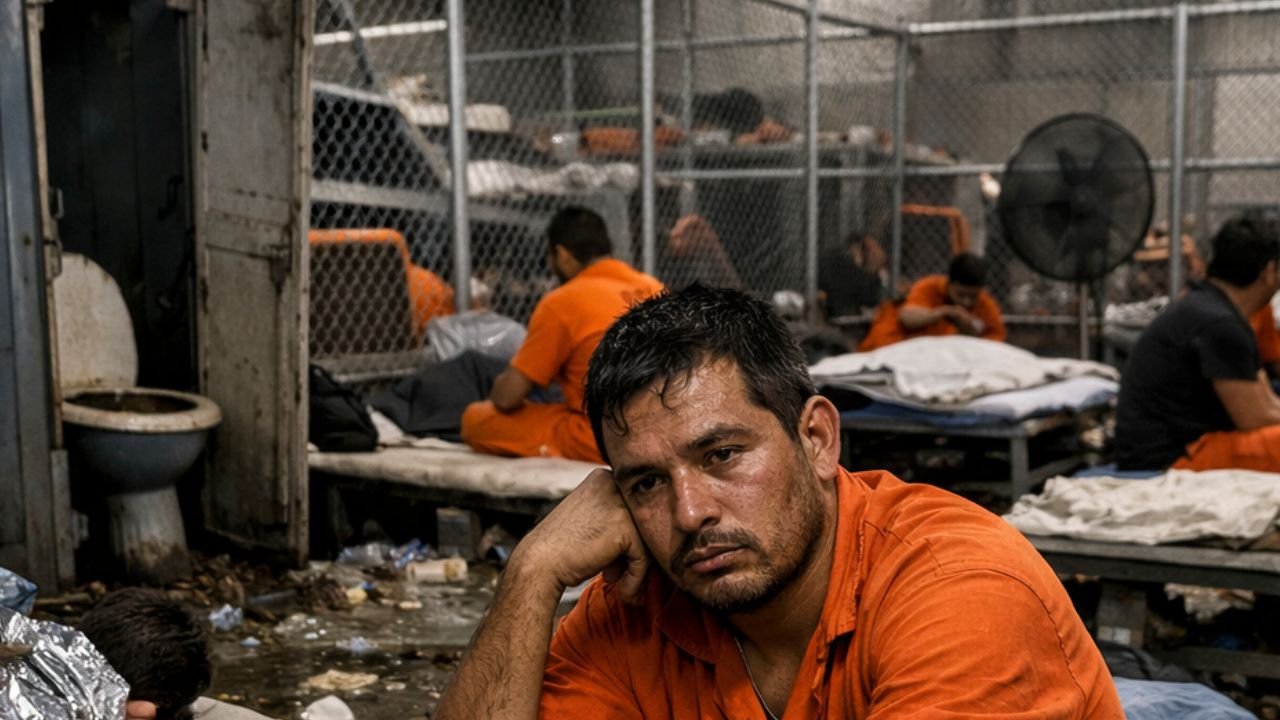
Migrants are increasingly languishing in U.S. immigration detention centers under harsh conditions and prolonged confinement during President Donald Trump’s second term, according to reports by the Associated Press.
Felipe Hernandez Espinosa, a 34-year-old asylum-seeker from Nicaragua, spent 45 days at a Florida immigration holding center nicknamed “Alligator Alcatraz,” where detainees reported worms in food, nonfunctioning toilets, overflowing sewage, and severe insect infestations. He has since been held for five months at a detention camp at Fort Bliss Army base in El Paso, Texas—where two migrants died in January—under similar conditions, human rights groups say. After nearly seven months in custody, his immigration hearing is scheduled for Feb. 26.
Prolonged detention has become more common following a new policy that generally bars immigration judges from releasing detainees while their deportation cases move through heavily backlogged courts. Many detainees, including Hernandez, say they are prepared to abandon efforts to remain in the United States due to the length and conditions of confinement.
“I came to this country thinking they would help me, and I’ve been detained for six months without having committed a crime,” Hernandez said in a phone interview. “It’s been too long. I am desperate.”
While the U.S. Supreme Court ruled in 2001 that Immigration and Customs Enforcement (ICE) cannot hold immigrants indefinitely—finding six months to be a reasonable limit—current data show a sharp rise in long-term detention. With ICE custody exceeding 70,000 people for the first time, more than 7,200 had been detained for at least six months by mid-January, including 79 held for over two years—more than double the figure from December 2024.
Although the Trump administration is offering airfare and $2,600 to those who voluntarily leave the country, many detainees report being told they cannot depart until they see a judge. Attorneys providing free legal assistance say they are encountering unprecedented numbers of migrants who have agreed to deportation but remain in custody for months.
Advocates also report cases involving migrants granted protection under the U.N. Convention Against Torture who remain detained despite winning their cases—sometimes for years. “We’re seeing people who actually win their immigration cases just languishing in jail,” said Sarah Houston of the Immigrant Defenders Law Center.
The Department of Homeland Security did not address questions about why detentions exceeding six months have increased.
For Hernandez, who says he has repeatedly requested to be returned to Nicaragua or Mexico, the uncertainty has taken a heavy toll. “I’ve experienced a lot of trauma,” he said. “I’m always thinking about when I’m going to get out.”