Miami Allocates Over $23 Million for Housing Assistance, Prioritizing Affordable Rent and Development
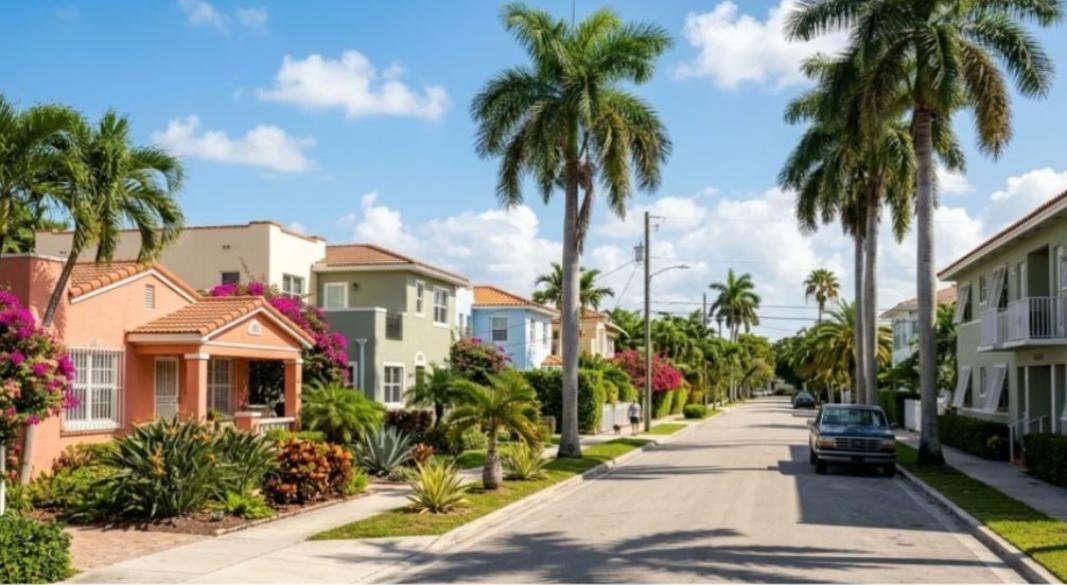
The city of Miami in the U.S. state of Florida has announced plans to spend more than $23 million in federal funding in fiscal year 2026 to address its housing crisis and expand access to affordable housing for low- and moderate-income residents.
The proposal, released by the city’s Housing and Community Development Department, outlines how funds received from the U.S. Department of Housing and Urban Development (HUD) will be distributed across several housing and social support programs.
A major share of the funding will go toward affordable housing construction, renovation of older housing units, down payment assistance for first-time homebuyers, emergency support for homeless residents, and housing stability programs for people living with HIV/AIDS.
The largest allocation—about $14.7 million—has been designated for the “Housing Opportunities for Persons with AIDS” (HOPWA) program. Including carryover funds from the previous year, the program will support rental assistance, housing inspections, short-term mortgage and utility payments, and efforts to secure permanent housing.
Another key portion of the budget—nearly $9 million combined—will be directed to the HOME Investment Partnerships Program. These funds will be used for new housing development, rehabilitation projects, and down payment assistance, a critical support in Miami’s rapidly rising housing market where affordability has become a growing concern.
The city will also allocate funds under the Community Development Block Grant (CDBG) program, with roughly $4.9 million planned for community development initiatives, local economic growth, public services, housing activities, and administrative costs.
For homelessness prevention and emergency response, about $441,757 has been set aside through the Emergency Solutions Grant (ESG) program. This includes outreach services, rapid rehousing support, and administrative expenses.
Additionally, Miami is expected to receive around $6.7 million under the Section 8 Housing Choice Voucher program, which helps low-income families rent privately owned housing at subsidized rates.
City officials also proposed amendments to the 2025–2028 local housing assistance plan, though specific details of the changes have not yet been disclosed.
The proposal has been opened for public review since June 8, with a public hearing scheduled for July 9 at Miami City Hall. Residents can also submit written feedback until July 28.
Experts say rising home prices and rental costs have deepened Miami’s affordable housing shortage in recent years, making federal assistance programs increasingly vital for vulnerable groups including low-income families, seniors, and people experiencing housing insecurity.