Major Tax Refunds Coming for American Households in Early 2026
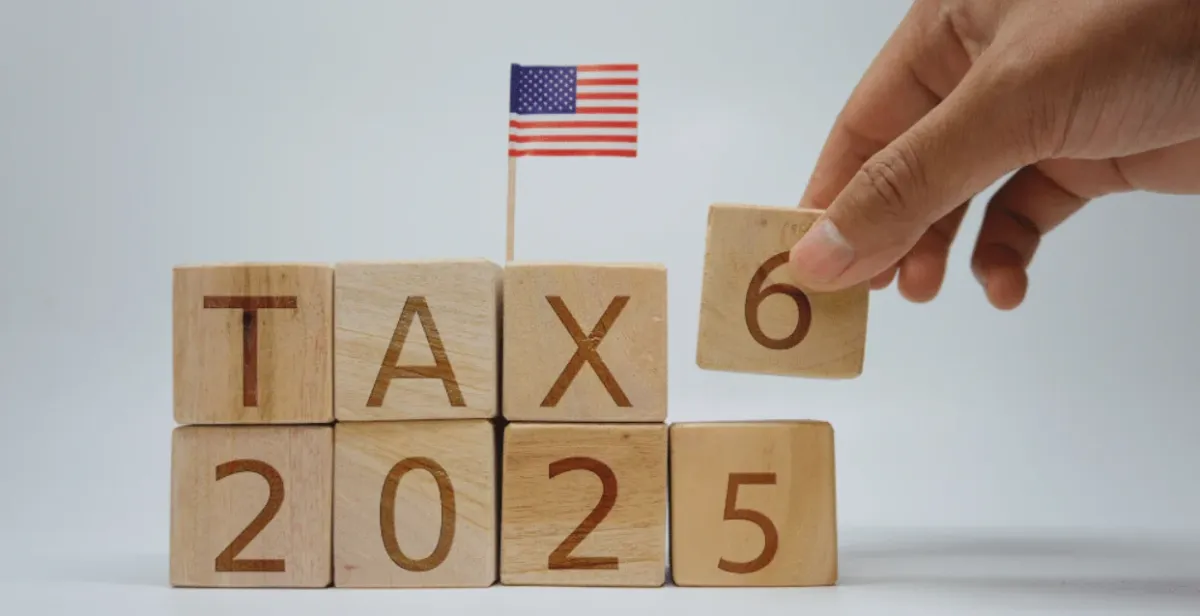
U.S. Treasury Secretary Scott Bessent announced a significant wave of tax refunds is coming. He stated millions of working American households will see large refunds next year. This is due to tax cuts in the recently passed One Big Beautiful Bill Act.
According to the New York Post, Bessent made the announcement on Wednesday. He linked the upcoming payments directly to the Trump administration’s signature tax legislation. The news provides a concrete financial timeline for families.
Secretary Bessent provided specific figures for the anticipated refunds. He projected a total of $100 to $150 billion will be returned to taxpayers. Individual household refunds are expected to range between $1,000 and $2,000.
These refunds will arrive in the first quarter of 2026. Bessent explained they result from many workers not yet updating their tax withholding. After receiving the refund, citizens should adjust their W-4 forms with employers.
This change will reduce taxes taken from future paychecks. The goal is to put more money directly into pockets throughout the year. The policy aims to boost household financial stability and spending power.
Alongside the tax news, Bessent signaled a major shift in financial oversight. He chaired a meeting of the Financial Stability Oversight Council (FSOC) on Thursday. His message focused on reducing regulatory burdens to spur growth.
According to AFP, Bessent criticized past approaches to financial safety. He argued they often created burdensome and duplicate rules for banks and businesses. Little thought was given, he said, to the economic harm of overregulation.
The council includes leaders from the Federal Reserve and SEC. Bessent shared a formal letter outlining his modernizing plans. He posted on X that FSOC will now prioritize sustainable long-term economic growth and security.
This aligns with the administration’s broader economic strategy. The council will review existing rules that may unduly hinder growth. The argument is that excessive regulation can itself become a risk to financial stability.