Major Protests That Have Shaped Iran Over the Last Five Decades
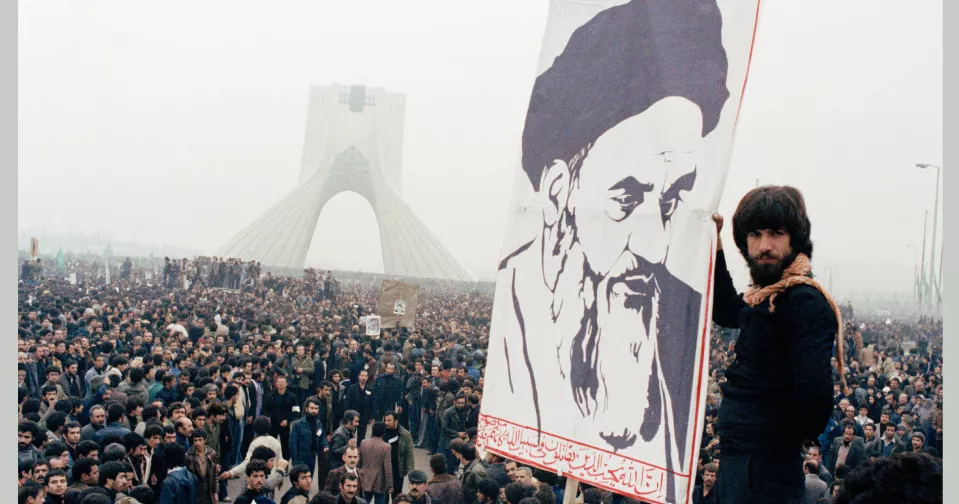
Iran’s modern history has been repeatedly shaped by waves of public protest, driven by political demands, economic pressure, and social change. Over the past 50 years, demonstrations have played a decisive role in redefining the country’s power structure and public life.
Revolution of 1979
Widespread protests in the late 1970s marked a turning point in Iran’s history. Students, workers, and religious groups took to the streets opposing the rule of Shah Mohammad Reza Pahlavi, citing authoritarian governance and lack of political freedom. The Shah left the country in early 1979, and the Islamic Republic was established under Ayatollah Ruhollah Khomeini. The aftermath included widespread executions and years of political repression, followed by the Iran-Iraq war, which reduced large-scale public unrest for a time.
Student Unrest in 1999
University students led major demonstrations in 1999 after reports of killings of dissidents and restrictions on reformist media. A violent response by security forces at Tehran University escalated protests nationwide. Several people were killed, and hundreds were arrested, marking the largest unrest since the revolution at that time.
2009 Green Movement
Following disputed presidential election results in 2009, millions of Iranians protested what they believed was electoral fraud. The movement, later known as the Green Movement, lasted for months and faced a severe crackdown. Numerous protesters were killed, and thousands were detained, effectively ending the reformist push.
Economic Protests of 2017–2018
Rising living costs and frustration over government spending triggered demonstrations across multiple cities. Initially focused on economic hardship, the protests soon expanded to broader political grievances. Security forces responded forcefully, resulting in deaths and mass arrests.
Gasoline Price Protests in 2019
A sudden increase in fuel prices ignited some of the most intense unrest in recent decades. Demonstrators targeted banks and public buildings, prompting authorities to impose a nationwide internet shutdown. Human rights groups later reported hundreds of deaths during the crackdown.
Mahsa Amini Protests in 2022
The death of 22-year-old Mahsa Amini while in morality police custody sparked nationwide protests, particularly led by women and youth. Demonstrators challenged compulsory hijab laws and broader state control. International investigations later found the state responsible for violence leading to her death. Despite heavy repression, acts of civil disobedience continue.
Currency Crisis Protests of 2025–26
Most recently, a sharp collapse of Iran’s currency amid tightened sanctions and regional conflict triggered new protests. As the rial reached historic lows, demonstrators organized nighttime rallies. Authorities responded by cutting internet and international communication access.
Despite repeated crackdowns, protests remain a defining feature of Iran’s political landscape. Analysts say economic stress, generational change, and unresolved political grievances suggest public unrest is likely to remain a powerful force in the country’s future.