Legal Experts Warn Against Trump Executive Order Challenging Birthright Citizenship
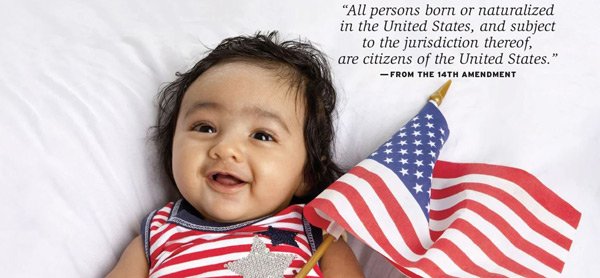
A constitutional debate has erupted over President Donald Trump’s Executive Order 14160, which seeks to limit birthright citizenship in the United States by denying automatic citizenship to children born on American soil if neither parent is a U.S. citizen or lawful permanent resident.
Akhil Reed Amar, a Yale constitutional law professor, notes that the U.S. Constitution explicitly guarantees citizenship to all persons born or naturalized in the country under the jurisdiction of the United States, regardless of parentage, race, or status. The 14th Amendment, ratified in 1868, makes no reference to parents or domicile, focusing solely on geographic birth within the U.S. and subjection to U.S. law.
The Trump administration’s order is set to face a legal challenge in the Supreme Court in Trump v. Barbara, with oral arguments scheduled for April 1 and a final decision expected in June. Legal scholars argue that the constitutional text, historical interpretations, and precedent—including the landmark 1898 case United States v. Wong Kim Ark—strongly support automatic citizenship for all children born on U.S. soil.
Professor Amar emphasizes that while the government may enforce immigration laws against parents, the Constitution protects the rights of children born in the U.S. from being denied citizenship. He notes that any changes to birthright citizenship must come through a constitutional amendment, not unilateral executive action.
The debate highlights a clash between presidential authority and constitutional guarantees, with significant implications for immigrant families and children born in the United States.