Israel Seeks to Exploit Iran’s Ethnic Divisions Amid Strategic Campaign
During the 12-day war in June between Israel and Iran, several Iranian ethnic minority groups—including Kurdish and Baloch factions—expressed support for Israeli military actions, calling for mobilisation against Tehran. While no armed uprisings materialized, these responses highlight Israel’s broader strategy of leveraging ethnic and sectarian divisions to weaken the Islamic Republic from within.
Reports indicate that Israeli officials view the fragmentation of regional states as a tool to prevent strong, unified nation-states. Past efforts have included support for opposition figures such as Reza Pahlavi, and public narratives portraying ethnic and religious minorities in Iran as victims of systemic oppression. Analysts suggest Israel’s goals extend beyond regime change, aiming to generate internal discord sufficient to disrupt Iran’s state functions and regional power.
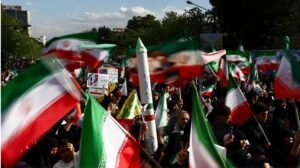
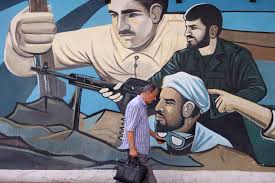
In response, Tehran has strengthened domestic unity, emphasising national heritage, historical resilience, and civic mobilisation alongside its religious identity. Cultural initiatives, monuments celebrating pre-Islamic history, and the promotion of “everyday nationalism” have accompanied recalibrated domestic policies, including more cautious enforcement of social regulations, as the government seeks to balance internal cohesion with security concerns.
While the effectiveness of Israel’s strategy remains uncertain, the conflict has reinforced Tehran’s focus on domestic consolidation, highlighting the interplay between external pressure and internal stability in a multiethnic society under threat.