Immigration Detention Data Reinforces Concerns Raised by U.S. Catholic Bishops

Newly reported data on immigration detentions in the United States is reinforcing long-standing concerns expressed by Catholic leaders regarding the scope and impact of federal immigration enforcement, according to a policy specialist with the U.S. Conference of Catholic Bishops.
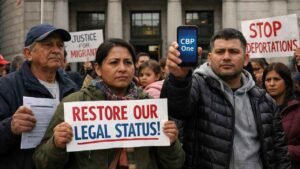
Recent figures cited by multiple media outlets indicate that a majority of immigrants detained by Immigration and Customs Enforcement during the first year of President Donald Trump’s current term do not have records involving violent crime. The data suggests that a large share of detainees either have no criminal history or are accused solely of civil immigration violations, such as unauthorized entry or visa overstays.
David Spicer, policy and engagement director for the bishops’ Secretariat of Migration, said the findings support the bishops’ public opposition to what they describe as broad and indiscriminate enforcement strategies. He noted that Catholic leaders have consistently supported immigration policies that prioritize public safety while also respecting human dignity and family unity.
According to Spicer, most Americans—including the bishops—agree that individuals who pose serious threats should be the focus of enforcement efforts. However, he argued that large-scale detention operations driven by arrest targets or numerical goals risk weakening due process protections, separating families, and fostering discrimination against immigrant communities.
Catholic social teaching on immigration, Spicer explained, is built on three interconnected principles: the right of individuals to migrate to sustain their lives, the right of nations to regulate their borders, and the obligation to enforce laws with justice and compassion. He emphasized that respect for the rule of law and respect for human dignity are not mutually exclusive.
Spicer also pointed to broader systemic challenges, saying the U.S. continues to struggle with an outdated and ineffective immigration framework. Without comprehensive reform, he warned, enforcement-heavy approaches are likely to produce outcomes that conflict with core American and moral values.
Quoting past Church teachings, Spicer said societies risk undermining their moral foundations when they profess commitment to dignity and justice while tolerating policies that disproportionately harm vulnerable populations.
He concluded that faith communities are called to reflect on whether current immigration practices truly promote the common good, protect families, and uphold the dignity of those most at risk. If not, he said, both policy and public discourse must move toward more humane and balanced solutions.