How new $250 ‘Visa Integrity Fee’ will impact US travel industry
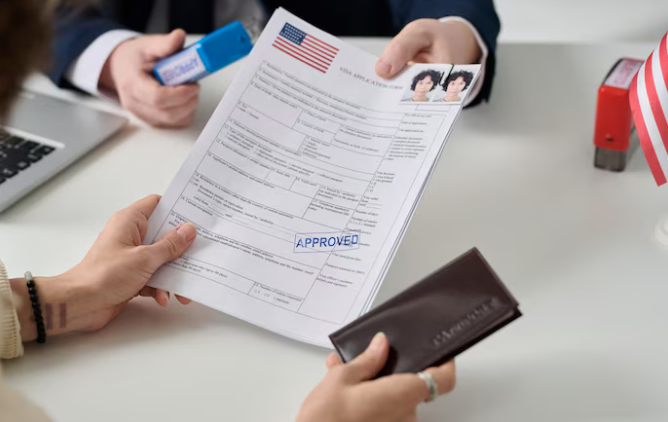
Some international visitors to the United States will soon face an additional cost: a new $250 “visa integrity fee,” scheduled to take effect on October 1. According to the International Trade Administration, the fee will affect those within the 72 million inbound visitors who enter the U.S. each year who do not participate in the U.S Department of State’s Visa Waiver Program (VWP).
What Is the Visa Integrity Fee?
The visa integrity fee stems from provisions in H.R. 1, also known as the One Big Beautiful Bill Act which was signed by President Trump on July 4, 2025. It established a new visa-related charge, to be enforced by the State Department, as a part of broader border and security reforms.
The new charge applies to international visa applicants outside of the VWP. Separately, under a new pilot program, B-1/B-2 visitors from Malawi and Zambia are required to post a refundable bond of $5,000, $10,000 or $15,000.
Supporters say the measure is designed to strengthen compliance, reduce overstays in the country and reinforce national security. According to the Congressional Budget Office’s (CBO) projections, the policy could generate an estimated $2.7 billion annually for the U.S. Treasury.
In the long run, the CBO estimates the provision would generate about $13.4 billion in collections between 2025 and 2034, with Customs and Border Protection (CBP) retaining 20% of that revenue. CBO also projects the measure will reduce the federal deficit by $10.8 billion over the next decade.
What Impact Will the Fee Have on Tourism?
Travel leaders argue these numbers overlook the bigger picture.
The World Travel and Tourism Council estimates the U.S. will lose $12.5 billion in international visitor spending this year alone — nearly five times the Treasury’s expected annual gain — raising questions about whether the fee will ultimately harm more than it helps.
Zane Kerby, CEO of the American Society of Travel Advisors (ASTA), also cautions against the visa’s potential negative effects to the tourism community.
“While the goals of increased visa compliance and integrity are understandable, imposing a mandatory $250 integrity fee, coupled with the potential requirement of bonds up to $15,000, introduces serious financial and logistical burdens for international travelers and the travel trade alike,” Kerby said. “ASTA believes these measures risk undermining U.S. competitiveness in the global tourism market, discouraging visitors and adding complexity to visa processes that already can be daunting.”
The United States Tour Operators Association has a similar stance.
“Traveling to the U.S. is already seen by many as complicated and expensive, and adding a $250 fee only reinforces that perception,” said Terry Dale, president and CEO of USTOA. “For international visitors, it sends a discouraging message at a time when they have plenty of other choices for where to spend their travel dollars.”
Industry groups also point out that international arrivals to the U.S. remain below pre-pandemic levels, even as other destinations ramp up efforts to attract travelers.
“Reports for August show that international visitation to the U.S. continues to be down year-over-year, and at a time when we need a welcoming message and policy that supports tourism, this visa ‘integrity’ fee takes our country in the opposite direction,” said Catherine Pruther, president of the National Tour Association (NTA).
While officials have justified the measure as a deterrent to visa overstays, some industry observers question whether such overstays are a significant issue among tourism visa holders. Others doubt whether the fee will even yield the projected revenues, given current visitation trends and the possibility that more travelers will choose destinations elsewhere.
“As we roll up the welcome mat to our country, we are encouraging travelers to go elsewhere,” Pruther added. “NTA is advocating that implementation of this fee is delayed, or even better, eliminated altogether.”
With collection set to begin in October, travel organizations are pressing for reconsideration of the policy, even as officials highlight fiscal benefits. Until then, international travelers will need to factor in the $250 charge — and the possibility of additional bonds — when applying for U.S. visas.