How a Shift in Congressional Power Could Reshape U.S. Policies After Midterm Elections
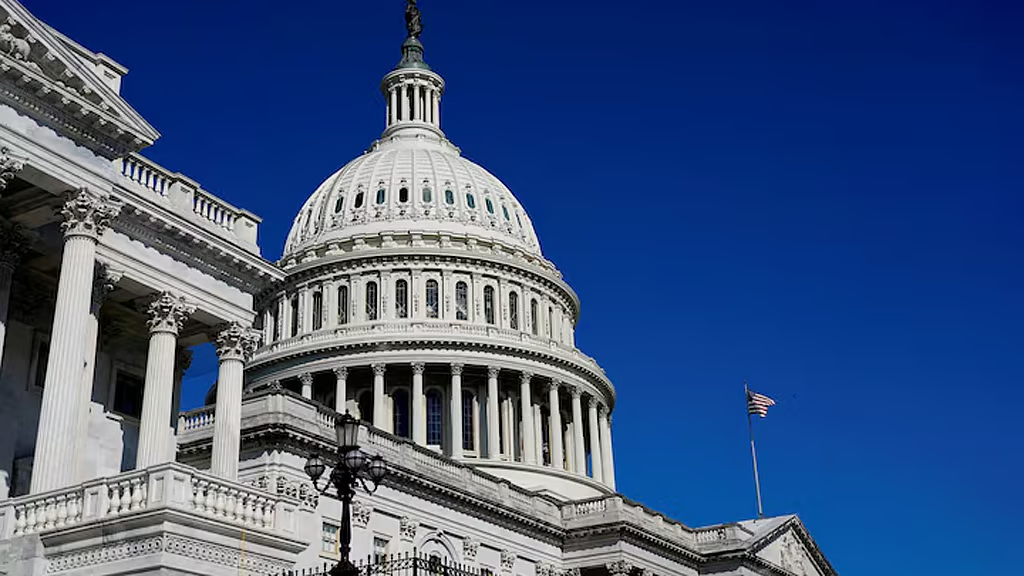
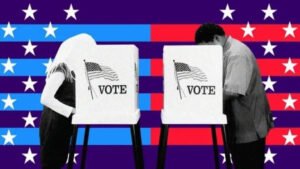
As Americans prepare to vote in the November 3 midterm elections, the possibility of a shift in control of Congress is raising questions about how the outcome could reshape President Donald Trump’s domestic and foreign policy agenda.
The elections will determine all 435 seats in the House of Representatives and 33 of the Senate’s 100 seats, along with several governorships and other state and local offices.
Unlike parliamentary systems, the U.S. president is elected separately from Congress and serves a fixed four-year term. Losing congressional majorities does not automatically remove a president from office. However, control of the House and Senate can significantly affect the administration’s ability to pass legislation, approve budgets and implement its priorities.
Democrats are seen as having a stronger chance of regaining control of the House, while Republicans have a more favorable position in the Senate. If the two chambers fall under different party control, the resulting divided Congress could make major legislative decisions more difficult for the Trump administration.
Budget and Tax Policies Could Face Greater Challenges
A Democratic-controlled House would likely create obstacles for Trump’s plans to increase government spending, reduce taxes or introduce major economic measures.
The House plays a central role in approving financial legislation. As a result, disagreements between the administration and congressional Democrats could delay or block proposals involving corporate tax cuts, defense spending and reductions in social programs.
The article also highlights the potential impact of budget reconciliation, a special legislative procedure that allows certain budget-related bills to pass the Senate with a simple majority rather than the usual 60 votes. Trump’s 2025 One Big Beautiful Bill Act was passed through this process.
A divided Congress could also create uncertainty over government revenue, federal spending and the future of major funding programs. Changes in tax policy may affect corporate profits, the federal budget deficit and long-term investment decisions.
Trump Could Rely More on Executive Orders
When Congress is controlled by the opposition party, presidents often face greater difficulty passing legislation and may rely more heavily on executive authority.
Trump retains significant powers over trade, business regulations and foreign policy. These include imposing tariffs through available legal mechanisms, changing regulatory approaches and determining aspects of the country’s relations with other nations.
The article notes that although the Supreme Court ruled tariffs imposed under the International Emergency Economic Powers Act unlawful, the administration has been exploring alternative legal routes to maintain or introduce tariffs.
Immigration policy is also expected to remain restrictive regardless of which party controls Congress. Both Democrats and Republicans have supported stronger border security and tighter immigration rules in recent years, potentially limiting opportunities for new workers to enter the country.
Foreign Policy May Remain Under Presidential Control
A change in congressional control is unlikely to substantially limit the president’s authority over foreign policy and military decisions.
The U.S. Constitution gives the executive branch considerable independence in conducting foreign relations and serving as commander-in-chief of the armed forces. The administration could therefore continue taking foreign policy measures, including military action against adversarial countries such as Iran, without necessarily securing prior congressional approval in every circumstance.
However, major military operations and prolonged conflicts could raise questions about funding and congressional oversight.
Economic Uncertainty Could Affect Financial Markets
The outcome of the election could influence the stock and bond markets, particularly if disagreements over taxes, spending and the federal debt limit create uncertainty.
A divided Congress may make it harder to pass regular budgets, potentially forcing the government to rely on temporary funding measures. Disputes over raising the debt ceiling could also trigger market volatility.
The article points out that the debt ceiling was increased by $5 trillion under the 2025 One Big Beautiful Bill Act, bringing it to $41.1 trillion. However, estimates from the Center on Budget and Policy Priorities suggest that the government could reach the new limit by 2027 if spending continues at its current pace.
Uncertainty over government borrowing and interest payments could put pressure on financial markets and complicate long-term economic planning.
Economic Fundamentals Remain Key
Despite the political significance of the midterm elections, broader economic conditions will continue to play a central role in determining market performance.
Gross domestic product growth, employment, inflation and corporate earnings are among the factors that ultimately influence the economy and stock prices.
Republicans generally favor lower corporate and high-income taxes, stronger defense and border security spending, and a more protectionist trade approach. Democrats tend to support higher taxes on corporations and wealthy individuals, alongside greater investment in healthcare, education, infrastructure and social programs.
Both parties’ policy choices can benefit some sectors while creating challenges for others. However, sustained corporate earnings, innovation and effective management remain important drivers of long-term business performance.
The November 3 midterm elections will therefore determine more than the balance of power in Congress. They could shape the direction of U.S. fiscal policy, trade, immigration, foreign relations and the economic environment during the remaining years of Trump’s presidency.