House Passes Stopgap Spending Bill, Democrats Warn They Will Block It in Senate
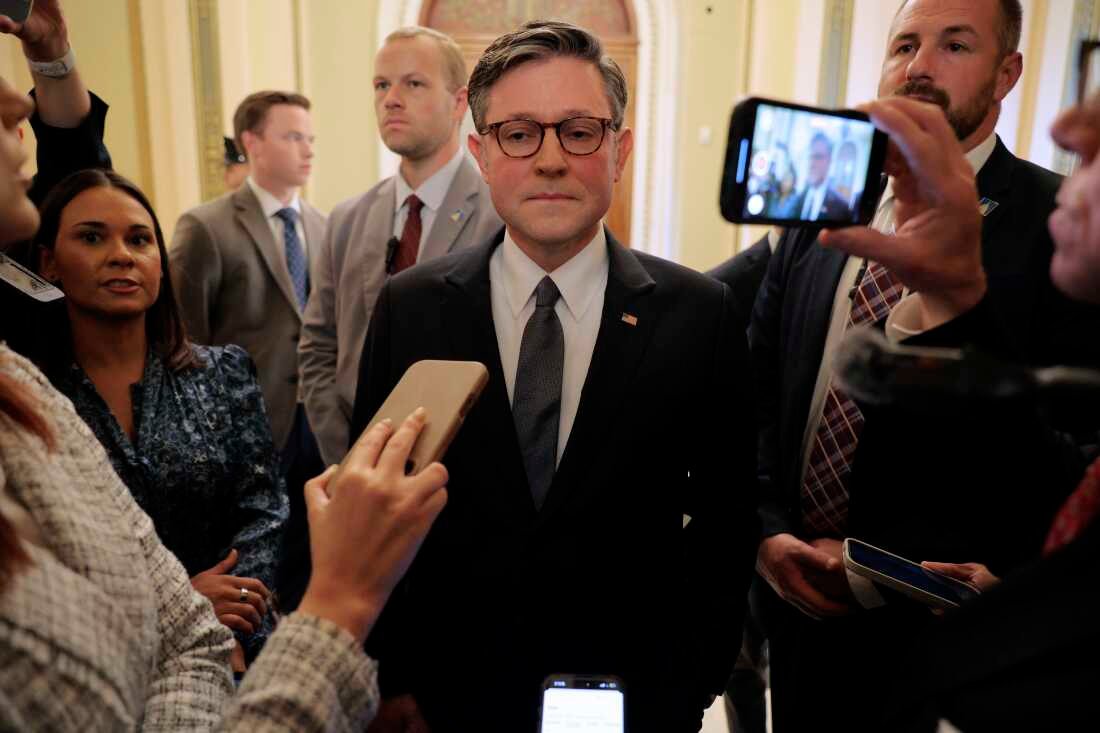
WASHINGTON, DC - SEPTEMBER 15: Speaker of the House Mike Johnson (R-LA) talks briefly with reporters at the U.S. Capitol on September 15, 2025 in Washington, DC. Johnson answered questions about security for members of Congress following the assassination of conservative pundit and Turning Point USA founder Charlie Kirk. (Photo by Chip Somodevilla/Getty Images)
The U.S. House of Representatives has passed a short-term spending bill. The bill, approved on Friday, would keep federal funding in place until September 30 and increase security for government officials. However, its passage in the Senate appears unlikely, as Democrats have signaled they will block it.
The bill passed in a 217–212 vote. It maintains federal spending at roughly current levels and allocates $88 million in emergency funding to strengthen security for members of the executive branch, the Supreme Court, and Congress. All Democrats except one opposed the bill, and two Republicans also voted against it, citing the lack of spending cuts.
Democrats argue that their alternative plan includes over $1 trillion in additional funding for health insurance and Medicaid, which would extend Obamacare subsidies and roll back cuts to health programs.
House Democratic Leader Hakeem Jeffries said, “We are ready to work anytime, anywhere to improve the lives of the American people and reduce the cost of living. But this partisan Republican bill does not meet that standard.”
Republican Leader Mike Johnson responded, “Our bill is completely clean, nonpartisan, and contains no policy changes. The Democrats’ proposal is filled with a partisan wish list and additional demands.”
Democrats have warned that if Obamacare tax credits expire, four million Americans could lose coverage starting in 2026, and healthcare costs for roughly 20 million more could rise. Without at least a temporary spending plan by September 30, the U.S. government could shut down.
Senate Democratic Leader Charles Schumer said, “We are unified. Helping Americans reduce healthcare costs remains our top priority.”