Healthcare Access Out of Reach for Many Older Noncitizen Immigrants
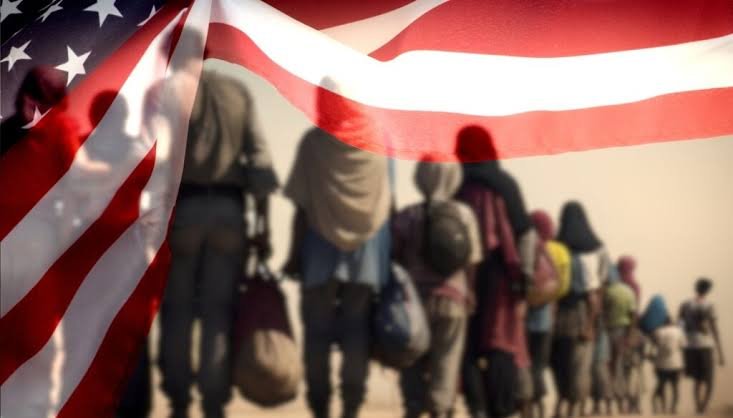
Older immigrants in the United States, particularly those who are not US citizens, face greater barriers to healthcare than US-born citizens, according to a study by researchers at the Johns Hopkins Bloomberg School of Public Health.
The study, published in Health Affairs Scholar, analyzed nationally representative data from more than 76,000 adults aged 50 and older collected through the National Health Interview Survey between 2019 and 2023.
Researchers found that foreign-born older adults, including both citizens and noncitizens, were less likely than US-born adults to report fair or poor health after accounting for demographic and socioeconomic factors.
However, older foreign-born noncitizens were more likely to report going a year without seeing a doctor, lacking a regular source of healthcare and worrying about medical bills if they became sick or injured. They were also significantly less likely to have health insurance.
Nearly one-quarter of foreign-born noncitizen adults lacked health insurance, compared with about 3% to 4% of US-born adults and foreign-born citizens.
The study found that foreign-born noncitizens were 12% less likely than US-born citizens to report fair or poor health. At the same time, those aged 50 and older were 21% more likely to report not seeing a doctor during the previous year, 44% more likely to have no regular source of care and 33% more likely to be very worried about paying medical bills.
Darrell Gaskin, a professor at the Johns Hopkins Bloomberg School of Public Health and lead author of the study, said many older immigrants appear to maintain relatively good health despite facing significant barriers to healthcare.
He said a lack of insurance, limited access to regular medical care and concerns about treatment costs could make it more difficult for older immigrants to prevent and manage health problems.
The study noted that approximately 8.6 million foreign-born adults aged 65 and older live in the United States, representing a growing share of the country’s 59.4 million adults aged 65 and older.
The researchers also warned that healthcare access challenges could intensify in October, when policies enacted under the One Big Beautiful Bill Act take effect. According to the study, fewer immigrants will then qualify for Medicaid coverage and federal Marketplace subsidies, while refugees, asylees and victims of human trafficking will no longer be eligible for those programs.
The researchers recommended stronger cooperation among state and local policymakers, healthcare providers and community organizations to ensure older noncitizens receive accurate information about their eligibility for healthcare programs.
They also recommended creating immigrant health liaisons to build trust between immigrant communities and healthcare providers and help healthcare institutions train frontline staff.
Healthcare providers should also offer multilingual “Know Your Rights” information, details about food and other assistance programs, and information on financial assistance options, the researchers said.
Gaskin said there was particular concern that people who need medical care might avoid seeking it because of these barriers, which could ultimately increase healthcare costs and leave vulnerable older immigrants without necessary treatment.
The researchers acknowledged several limitations to the study. The survey data was self-reported, and some respondents may have been reluctant to disclose their citizenship status. They also noted that changes to the National Health Interview Survey during the COVID-19 pandemic affected response rates in 2020.
The research was supported by the Bloomberg American Health Initiative and a Kirschstein-NRSA training grant from the Agency for Healthcare Research and Quality.