Google Faces Landmark Antitrust Breakup Ruling in Historic DOJ Case
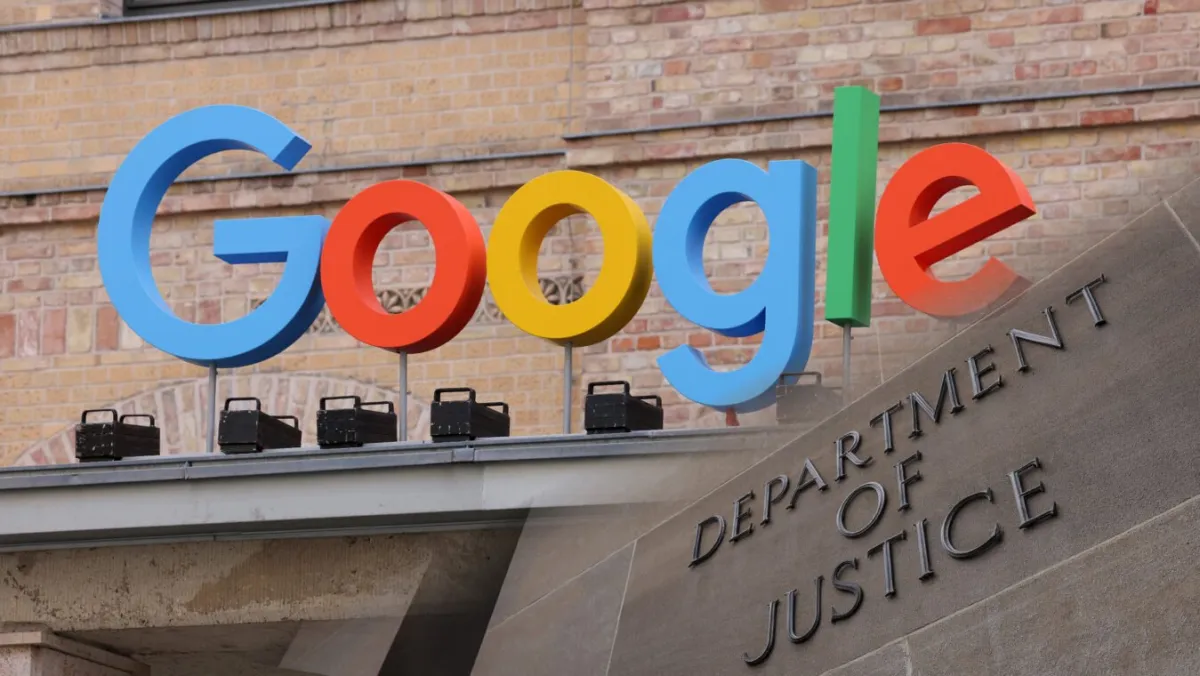
A federal judge has ruled that Google unlawfully maintained its dominance in the search engine market, marking a historic victory for the U.S. Department of Justice in one of the most consequential antitrust cases in modern tech history. The decision, issued by a Washington, D.C. district court, caps a years-long battle that began during the Trump administration and continued under President Biden.
The judge concluded that Google’s exclusive agreements with major device makers—including multibillion-dollar deals with Apple—violated federal antitrust laws. These agreements made Google the default search engine on iPhones and Safari browsers, giving the company a powerful advantage that the court found harmful to competition.
Evidence presented during the trial showed Google controlling nearly 90 percent of the general search market. The Justice Department argued that this dominance was not simply the result of better products, but the product of strategic deals that effectively shut out rival search engines. The court agreed, determining that the agreements stifled competition, reduced innovation, and limited consumer choice.
With liability established, the case now enters the remedies phase, where the court will decide how to curb Google’s anti-competitive behavior. Potential actions range from banning exclusive default search agreements to imposing structural changes on the company. The most far-reaching remedy—breaking up Google’s business units—would separate its search division from other lines of business such as Android and cloud services. Such a move would represent the most dramatic antitrust action against a U.S. tech firm since the breakup of AT&T in the 1980s.
Legal experts say the outcome could reshape how billions of people interact with the digital world. A breakup or restrictions on default search deals could open the door to more competition, giving consumers more search engine choices on their smartphones and computers. The implications will also extend far beyond the United States, setting a precedent for global regulators pursuing their own antitrust cases against major tech companies.