Democrats Win Control of Both US Chambers, but Can They Change Trump’s Immigration Agenda?

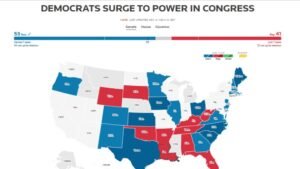
Democrats’ sweeping victory in the 2026 US midterm elections has given the party control of both the House of Representatives and the Senate, creating new opportunities to challenge President Donald Trump’s hardline immigration policies. However, significant political and legal obstacles could limit how much they can change before Trump leaves office in January 2029.
The election results mark a major setback for Trump and his Republican Party, with Democrats flipping seven Senate seats, including traditionally Republican strongholds such as Kansas, South Carolina and Texas.
With control of both chambers, Democrats are expected to intensify congressional oversight of the administration’s immigration policies, particularly the activities of Immigration and Customs Enforcement (ICE) and the Department of Homeland Security (DHS).
Robert Garcia, who is expected to lead the House Oversight Committee, signaled an aggressive approach shortly after the election results were announced, saying, “Lawyer up.” He indicated that investigations into ICE and DHS operations, including alleged abuses, would be among the committee’s priorities.
Immigration is likely to become an early focus of congressional scrutiny because the Trump administration has relied heavily on executive authority to implement its enforcement agenda.
Democrats could use congressional hearings, subpoenas and budget negotiations to investigate federal immigration agencies and challenge the administration’s policies. They may also seek greater accountability over immigration enforcement practices.
However, gaining control of Congress does not automatically give Democrats the power to reverse Trump’s immigration agenda. The president retains executive authority, including veto power, while Senate procedural rules and potential legal challenges could complicate efforts to introduce major policy changes.
Federal courts will also continue to play an important role in determining the legality of the administration’s immigration actions.
The political shift could be particularly significant for Indian immigrants and professionals facing lengthy Green Card backlogs. Although increased congressional oversight may bring renewed attention to employment-based immigration delays and other longstanding concerns, immediate policy changes remain uncertain.
The Democrats’ victory therefore represents a stronger opportunity to scrutinize and challenge Trump’s immigration policies, rather than a guaranteed mandate for a more liberal immigration system.