Court Orders Resumption of Asylum, Citizenship Processing in Setback to Trump Administration
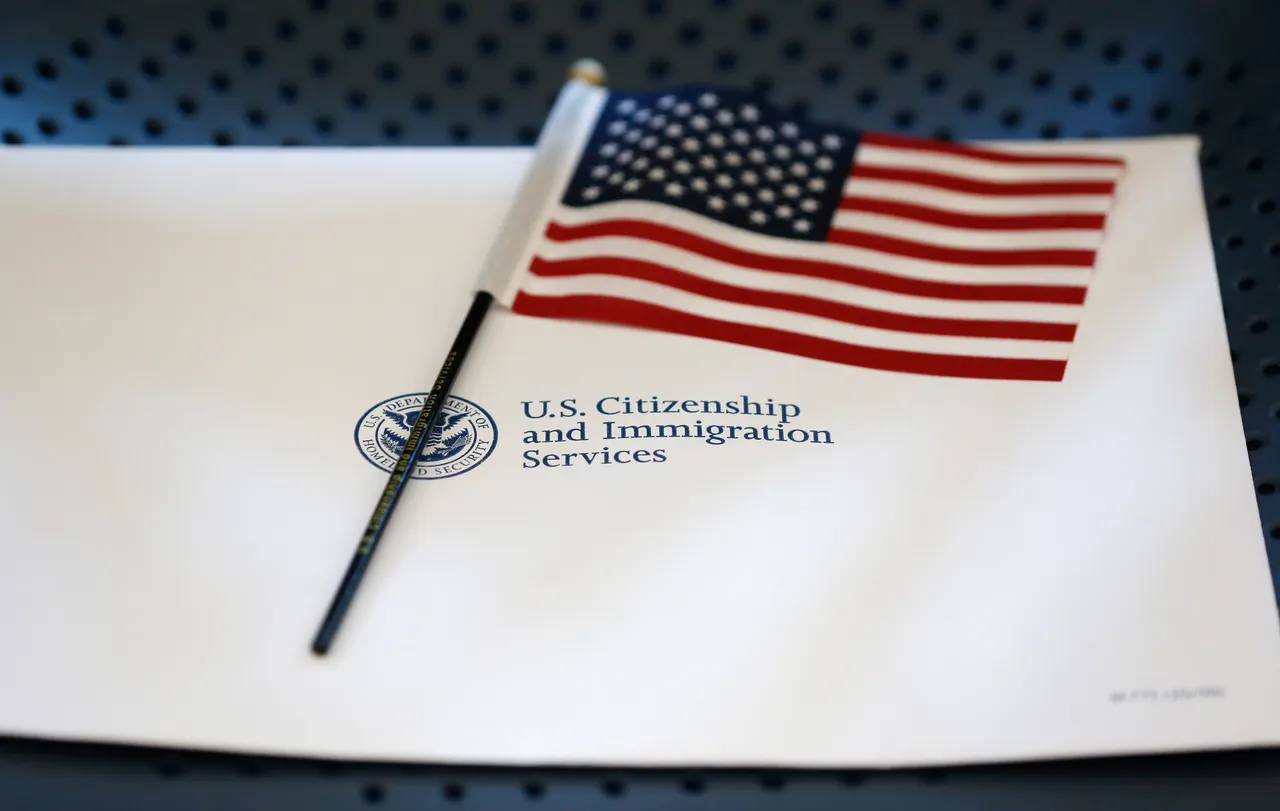
A U.S. federal court has ordered the Trump administration to resume the processing of asylum and immigration-related applications, striking down several restrictive immigration measures in a ruling widely viewed as a significant setback for the administration’s hardline immigration agenda.
In a 135-page decision, Federal Judge John J. McConnell Jr. of Rhode Island said the administration’s policies had left thousands of immigrants facing uncertainty about their futures based largely on their countries of origin. He concluded that the measures violated U.S. immigration law and were driven by what he described as an “anti-immigrant bias.”
Under the policies challenged in court, the U.S. Citizenship and Immigration Services (USCIS) had suspended the processing of asylum applications worldwide. The agency also halted adjudication of immigration-related applications from citizens of 39 countries, including nations in Africa and the Middle East, preventing many applicants from obtaining green cards, citizenship, and other immigration benefits.
The court noted that the suspension left many immigrants unable to secure work authorization, maintain legal status, or make long-term plans for their lives. Judge McConnell wrote that even after more than six months, numerous applicants remained in limbo without access to employment opportunities, legal certainty, or a clear path forward.
The ruling further stated that individuals who had attempted to immigrate through legal channels were among those most severely affected. The judge also struck down a policy requiring additional scrutiny of certain immigrants from countries covered by travel-ban restrictions.
The Department of Homeland Security criticized the decision. James Percival, a legal adviser to the department, described the ruling as politically motivated. Despite the administration’s objections, the decision requires the government to return to normal processing procedures and begin addressing a backlog of more than one million pending applications.
Immigrant rights organizations welcomed the ruling, calling it a victory for due process and equal treatment under the law. Attorneys representing the plaintiffs argued that the federal government does not have the authority to shut down lawful immigration pathways or discriminate against applicants based on their birthplace.